NFT Market Trends: What Investors Need to Know in 2025
Remember 2021? When people were paying six figures for a cartoon ape and everyone with a Twitter account suddenly became an NFT expert? Yeah, that's over. But if you think NFTs are dead, you haven't...

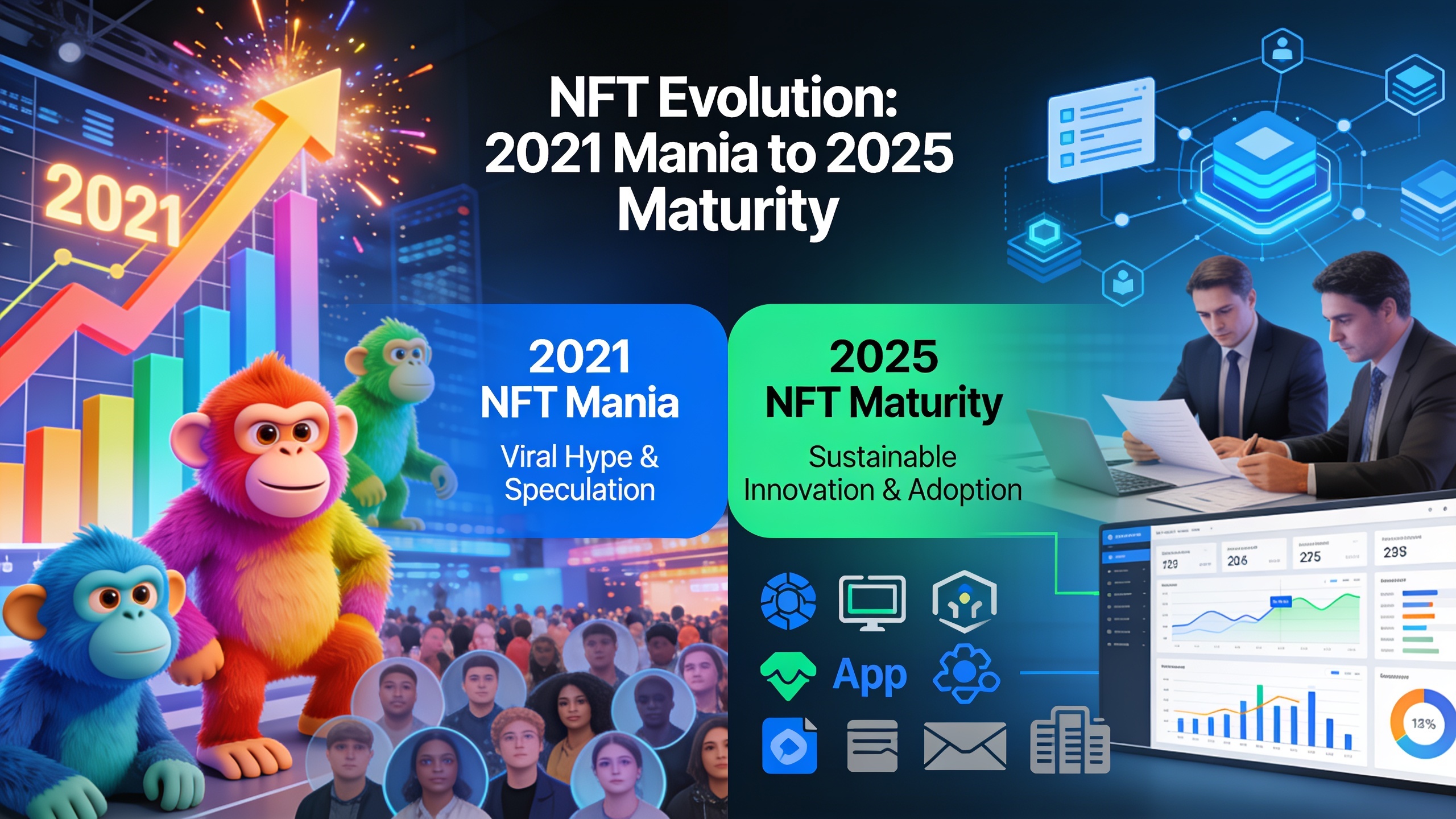
Remember 2021? When people were paying six figures for a cartoon ape and everyone with a Twitter account suddenly became an NFT expert? Yeah, that's over. But if you think NFTs are dead, you haven't been paying attention.
The market in 2025 is smaller, quieter, and honestly a lot more interesting. What's left is a leaner scene that actually rewards utility, real-world integration, and communities that stick around instead of dumping their bags the second the hype fades. Trading volumes have settled way below those insane 2021-2022 peaks, according to data pulled from DappRadar and NFT Scan trackers. But certain corners of the market, gaming assets, tokenized real-world items, blue-chip collections, keep pulling in steady money from both regular buyers and institutions.
So let me walk you through where things actually stand, which projects are worth watching, how smart investors are playing it, and what the analysts think is coming over the next year or two. Whether you've been trading crypto since the ICO days or you're just now poking around at digital collectibles, this stuff matters before you put a single dollar in.
What's Actually Happening in the NFT Market Right Now?
The word that sums up 2025 is consolidation. Fewer projects, fewer speculators, but the transactions that do happen tend to cluster around established collections and tokens that actually do something. Total volume has cooled off dramatically from the days when OpenSea alone was pushing billions in monthly trades. CryptoSlam and DappRadar both show that 2024 and 2025 volumes are running at a fraction of those peak numbers. The upside? The people still here generally know what they're doing and aren't just chasing whatever's trending.
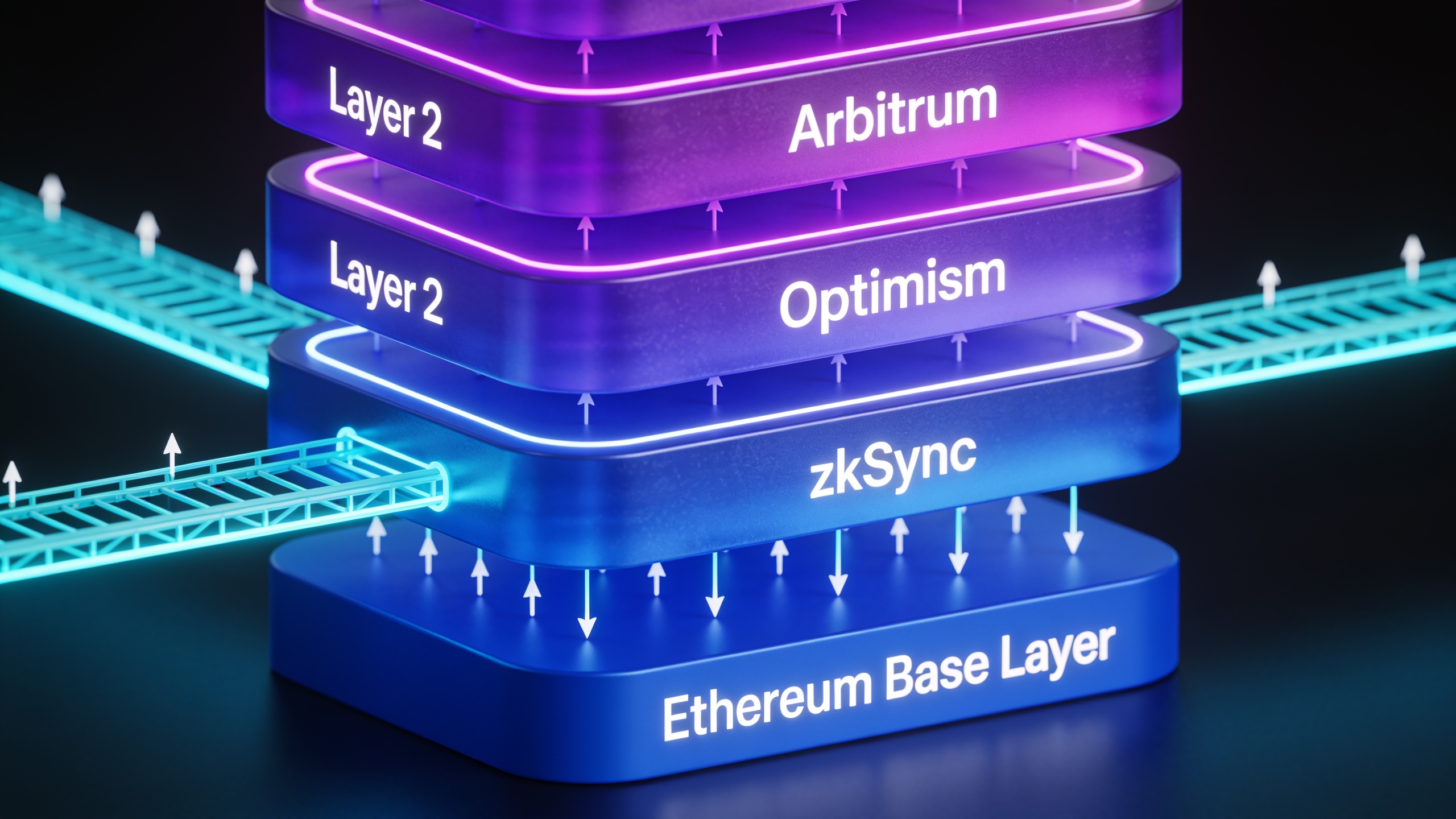
A few bigger shifts are shaping all this. Marketplaces have stopped relying purely on trading fees and started building out subscription services, creator tools, and launchpads. The infrastructure grew up too. Layer-2 networks like Arbitrum, Base, and Polygon are eating a bigger slice of minting activity, mostly because gas fees there are a fraction of what you'd pay on Ethereum mainnet. And institutional money, still cautious as ever, has crept in around tokenized real-world assets (RWAs), which overlap with NFTs but focus on putting physical or financial assets on-chain rather than just digital art.
Here's something worth remembering: NFT sentiment is basically glued to the broader crypto cycle. When Bitcoin and Ethereum rally, NFT volumes tend to follow a few weeks to a couple months later, a pattern NonFungible.com has tracked over multiple cycles. If you want to get ahead of the next move in collectibles, you're really watching the same signals people use to read the overall crypto market. Learning the 5 signs of a crypto bull market you shouldn't ignore can tell you a lot about whether NFT demand is about to heat up or just keep drifting sideways.
One more thing, and it's a little counterintuitive. Regulation is slowly getting clearer, and that's actually helped. The SEC still hasn't slapped a blanket label on NFTs, but enforcement actions in past years against fractionalized and yield-bearing products pushed the whole industry toward cleaner disclosures and away from anything that smells like a security. Weirdly enough, that pressure made the survivors look more legit to careful investors.
The Projects Setting the Pace
The NFT projects getting real attention in 2025 all have something in common: brand recognition, active development, and actual utility, not just resale hype. The old guard, Bored Ape Yacht Club and CryptoPunks (both under Yuga Labs), still get name-dropped as the market's health check, even though their floor prices are sitting well below the all-time highs they hit in 2021 and early 2022.
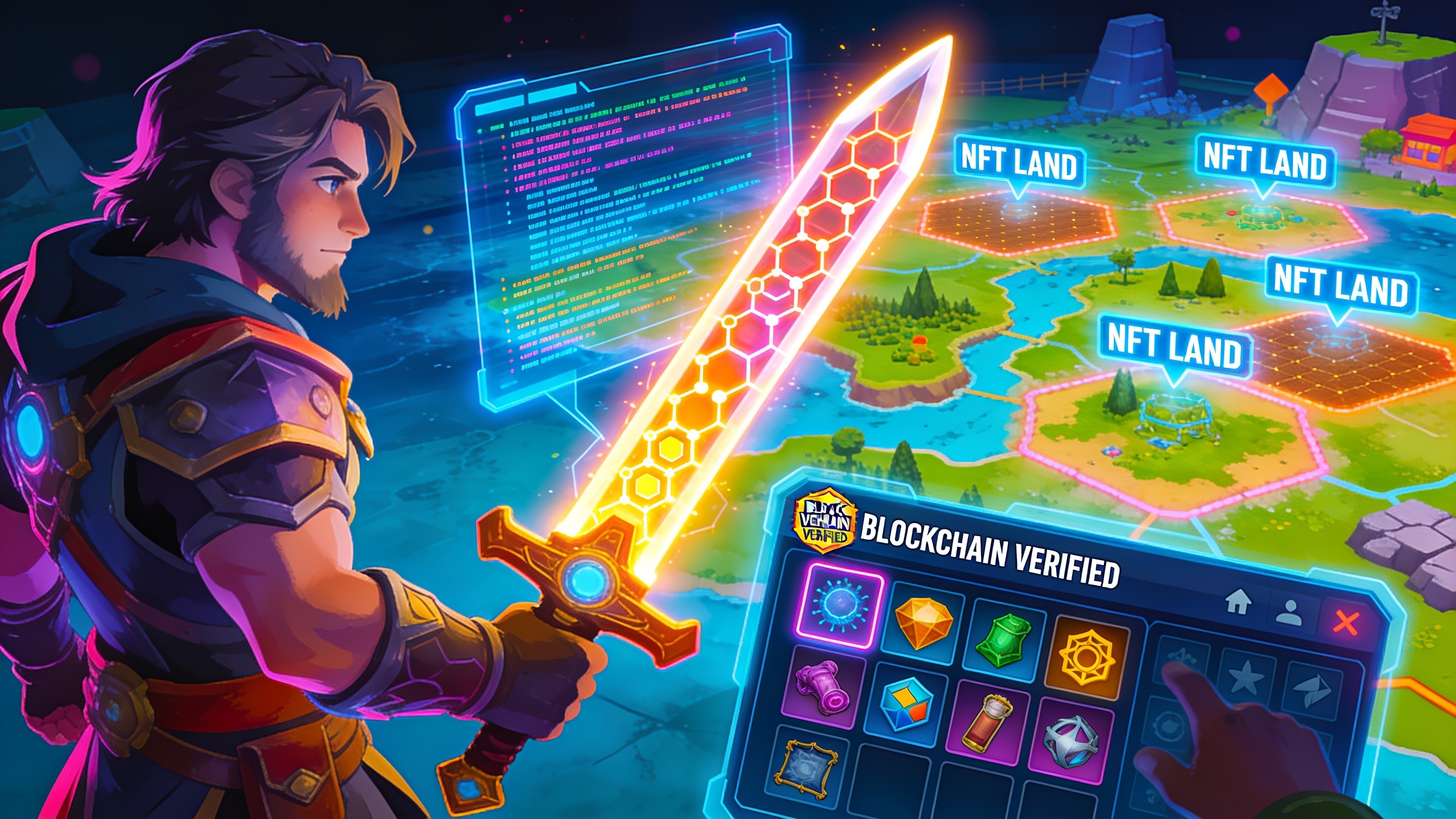
But the more interesting action is happening elsewhere. Gaming NFTs have grabbed a bigger chunk of the market. Titles built on blockchain infrastructure, like the stuff coming out of Immutable's ecosystem and various Web3 studios, use NFTs to represent in-game items, characters, and land that you can actually use in the game. Not just a JPEG in your wallet. That's a big deal, because it ties value to things like daily active players and in-game transaction volume instead of pure speculation.
Then there's tokenized music and media rights, which I find genuinely fascinating. Artists and rights holders issue NFTs that hand you royalty shares or exclusive access, not just ownership of an image file. The pitch is simple: if holders get ongoing cash flow or perks, the value has a reason to stick around. Whether it scales is another question, but the logic is sound.
Digital identity and membership NFTs keep growing too. These work as access passes to communities, events, or software, and people buy them for what they unlock rather than what they'll fetch on resale. It's part of a wider pattern across digital platforms where community and usefulness beat novelty. Even in adjacent spaces, services like Vidbox, an Indonesian social media and online business portal with games, forums, and marketplace features, show how digital communities are blending content, commerce, and social interaction all at once. That's exactly the model a lot of NFT projects are trying to copy with token-gated communities and built-in marketplaces.
How to Actually Invest Without Losing Your Shirt
Investing in NFTs in 2025 takes way more homework than the buy-and-flip circus of 2021 ever did. The people who stayed profitable through the crash focus on fundamentals, liquidity, and long-term utility. Not price momentum. Not vibes.
The strategy I hear about most is treating NFTs as a satellite piece of a broader crypto portfolio, not a main bet. And for good reason. NFT liquidity can vanish overnight in a downturn. Floor prices on plenty of mid-tier collections have dropped 70% to 90% from their peaks, according to NFT Price Floor. So a lot of investors now cap their NFT exposure at a small slice of total holdings, the same way traditional portfolio managers limit illiquid alternative assets. If you want a more structured way to think about how speculative stuff fits alongside your safer holdings, platforms like Wealthmax offer wealth management tools and financial planning resources that help frame where NFTs actually belong.
Due diligence has gotten a lot more serious. Real buyers dig into on-chain data now, holder concentration (basically, how many wallets control most of a collection's supply), wash-trading signals, and a project's actual trading history before they touch it. Tools like Nansen and Etherscan-based analytics made this kind of digging accessible even if you're not technical, and honestly, most serious people treat this step as non-negotiable.
Dollar-cost averaging has found its way in too, especially for fractionalized products and NFT-backed index funds that let you buy into a basket of collections instead of gambling on one. It's a decent way to avoid overpaying at a local top.
And timing against the broader crypto cycle is still one of the most reliable tells you'll find. NFT volume historically climbs in the months after a sustained Bitcoin and Ethereum run, as people rotate their gains into riskier stuff. Watch the macro picture alongside NFT-specific metrics and you'll make far smarter entry and exit calls than someone staring at NFTs in isolation.
NFTs Aren't Just Digital Art Anymore
The utility side of NFTs in 2025 has spread way past profile pictures into ticketing, real-world asset tokenization, loyalty programs, and even travel. This move toward "utility NFTs" is one of the clearest structural changes in the whole market, and it directly affects which projects hold their value when things get ugly.
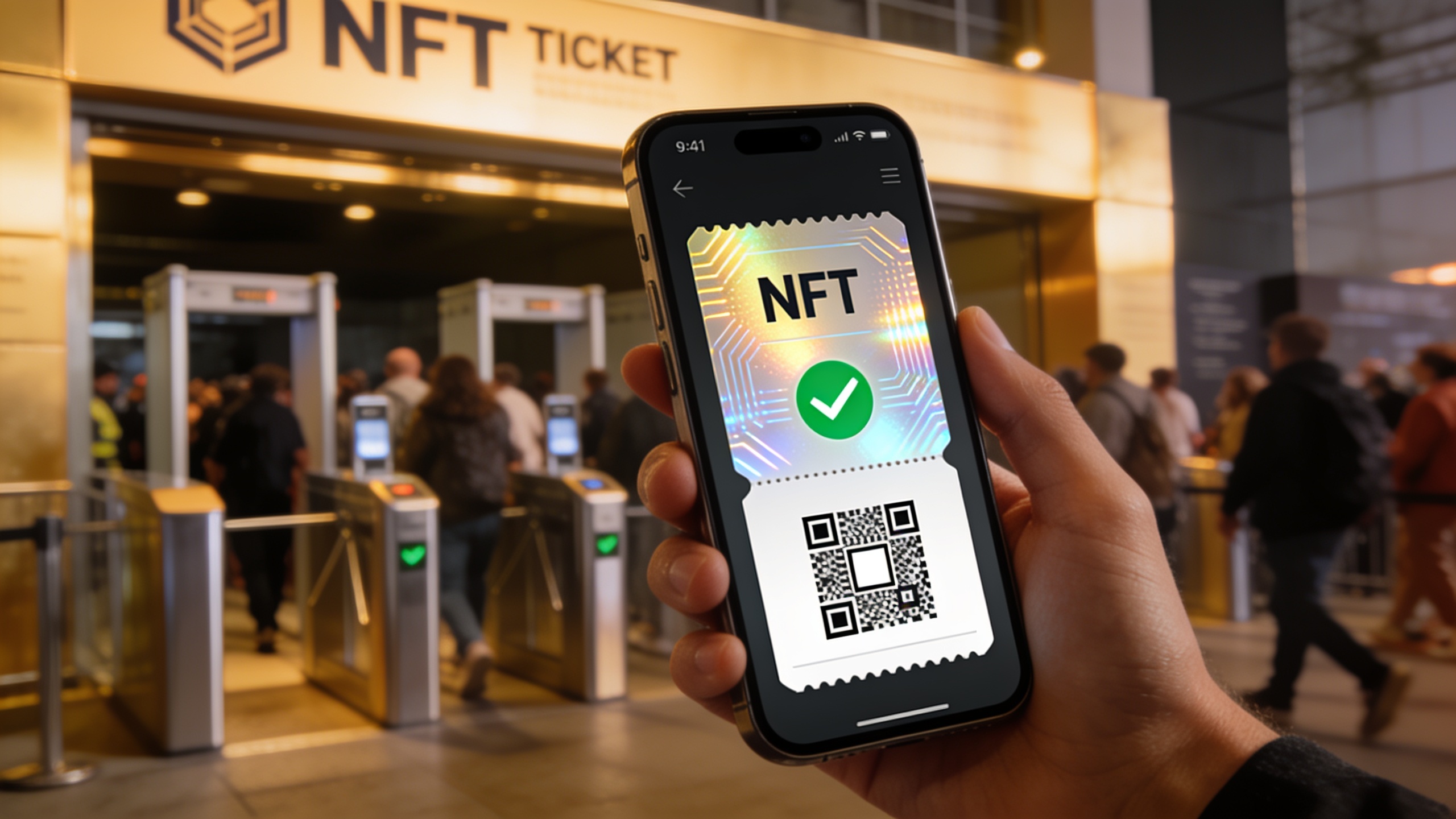
Event ticketing is probably the most mature use case out there. Companies issue NFT tickets that cut down fraud, allow verifiable resale, and can unlock perks after the event like exclusive content or merch discounts. Sports teams and music promoters across North America and Europe have piloted these systems specifically to fight counterfeit tickets and scalper bots. Turns out blockchain proof-of-purchase is actually useful when it's not just a buzzword.
Travel and tourism is another frontier that's picking up, especially in regions building out digital tourism infrastructure. Local operators are experimenting with blockchain-based booking and loyalty systems that let travelers hold verifiable digital vouchers or membership passes. Take Indonesia's Lombok region, where transportation and tour operators such as Ricaritranslombok show how local travel businesses sit right next to this broader digital shift. Tourism operators everywhere are hunting for ways to fold verifiable credentials, loyalty tokens, and smoother booking into what they offer.
Tokenized real-world assets are maybe the most consequential trend of all, at least for institutional adoption. Real estate fractionalization, invoice financing, even carbon credit markets now use NFT-like structures to represent ownership or verified claims on physical or financial assets. Boston Consulting Group has projected that tokenized assets could grow into a multi-trillion-dollar market by the end of the decade. That figure stretches way beyond NFTs specifically, but it explains why traditional finance keeps inching closer to blockchain-based ownership records.
Loyalty and membership programs round it out. Retail brands and consumer platforms have started issuing NFT-based loyalty tokens that unlock tiered rewards, early access to drops, or discounts, basically turning NFTs into programmable customer tools instead of speculative toys.
How the Different Sectors Stack Up
The various NFT sectors are behaving wildly differently in 2025, and if you're building any kind of investment thesis, you need to understand where they diverge. Here's a comparison of five major categories by liquidity, main use case, and general risk, based on what's shown up across major marketplaces and analytics platforms through 2024-2025.
| NFT Sector | Primary Use Case | Liquidity Level | Typical Risk Profile | 2025 Momentum |
|---|---|---|---|---|
| Blue-chip PFPs (e.g., BAYC, CryptoPunks) | Brand/status collectibles | Moderate | Medium-High | Stable, below peak but resilient |
| Gaming NFTs | In-game items, land, characters | Moderate-High | Medium | Growing steadily |
| Tokenized RWAs | Real estate, invoices, commodities | Low-Moderate | Medium (asset-backed) | Rapidly expanding |
| Ticketing & Event NFTs | Access, fraud prevention | High (short-term) | Low-Medium | Increasing adoption |
| Music/Media Royalty NFTs | Revenue sharing, exclusive access | Low | Medium-High | Niche but growing |
Notice the pattern? Sectors tied to verifiable, real-world utility (ticketing, RWAs) carry lower speculative risk, while the purely collectible stuff still lives and dies by brand strength and community mood.
The Stuff That Can Wreck You
The biggest risks for NFT investors in 2025 are illiquidity, murky valuations, and ongoing regulatory uncertainty. Any one of them can hand you a sharp, sudden loss even in a project with great branding. Unlike Bitcoin or Ethereum, most NFTs trade in thin markets where a single big sale, or a total lack of buyers, can swing perceived value all over the place.
Illiquidity is the one that'll bite you first. Plenty of collections that traded actively every day in 2021 now go days or weeks without a single sale, based on marketplace data from OpenSea and Blur. That makes exit timing a nightmare. You can end up holding something nobody wants to buy anywhere near what you paid.
Valuation opacity is the cousin of that problem. NFTs are non-fungible by definition, so comparable sales can be genuinely misleading. Two items in the same collection can be worth wildly different amounts based on rarity, provenance, or ownership history. If you're just staring at the floor price without understanding rarity distribution, you're going to overpay. Guaranteed.
And don't sleep on smart contract and platform risk. Marketplace hacks, phishing scams aimed at holders, contract vulnerabilities, all of it has caused serious losses. Chainalysis has documented substantial figures for NFT-related theft and fraud in past years, which is exactly why you use a hardware wallet and double-check contract addresses before you click anything.
Regulatory risk keeps hanging over everything too, especially for NFTs that offer yield, royalties, or fractionalized ownership. Those features can trigger securities scrutiny in places like the US. Projects that skipped the legal review face a much higher chance of enforcement or forced restructuring, and that can gut holder value overnight.
Last one: sentiment. NFTs are chained to the crypto cycle, and they're high-beta. A sharp drop in Bitcoin or Ethereum usually means an even steeper drop in NFT valuations, because the market treats them as the riskier end of a crypto portfolio.
Where This Is All Headed
Analysts mostly agree the market keeps drifting toward utility-driven applications, tighter ties to traditional finance through tokenization, and more consolidation among marketplaces and creators heading into 2026 and beyond. Nobody serious is predicting a return to 2021 mania. Most forecasts point to steadier, fundamentals-based growth instead.
One prediction that keeps coming up is deeper integration between NFTs and DeFi, where NFTs act as loan collateral or plug into yield strategies. NFT-backed lending has already shown real demand, especially from blue-chip holders who want liquidity without selling their prized assets.
Interoperability is another big one. Cross-chain standards and bridging solutions should cut down the fragmentation that currently scatters liquidity across Ethereum, Solana, Polygon, and everything else. If that happens, trading volume consolidates and price discovery gets a lot cleaner.
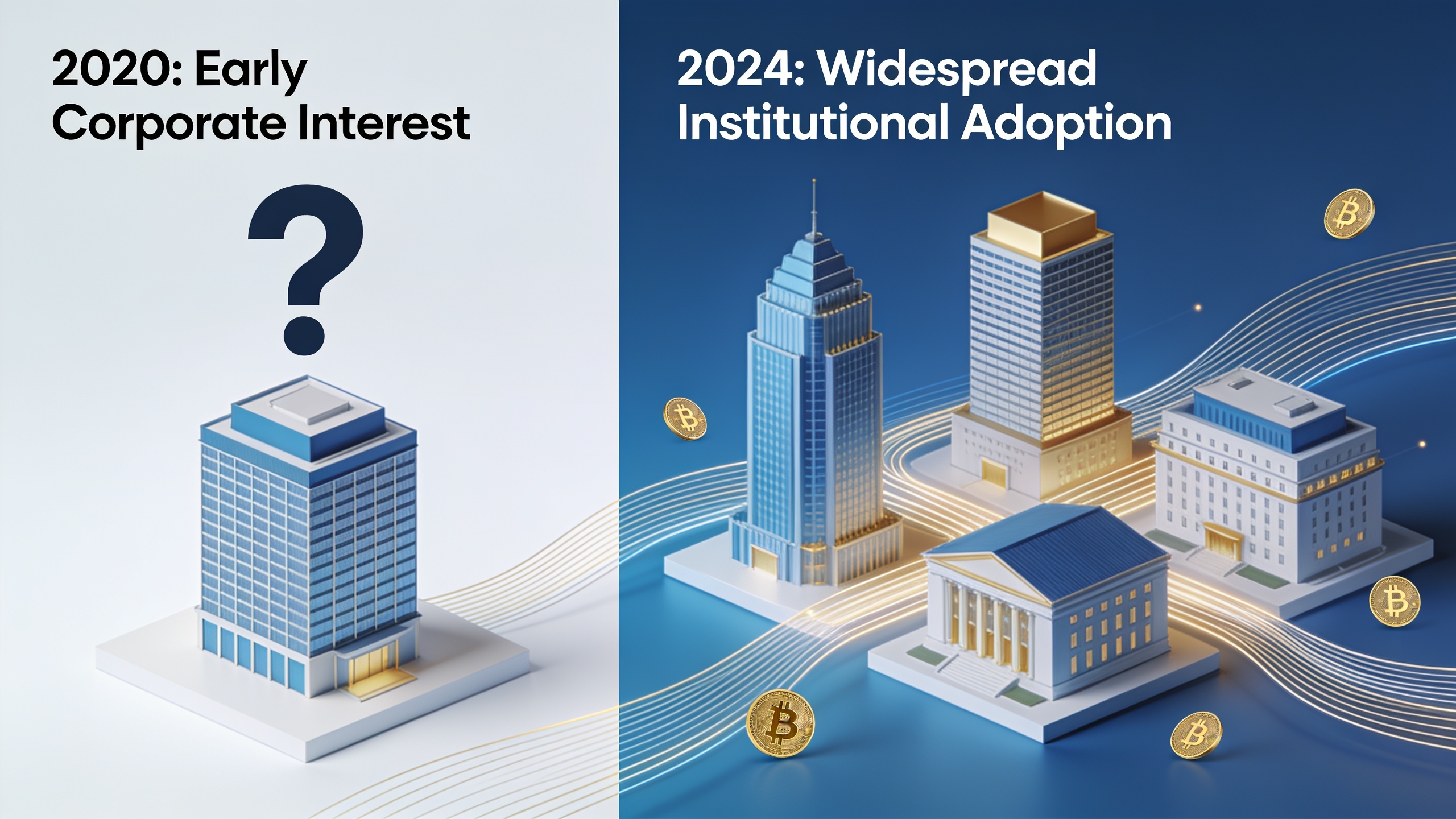
Institutions will keep wading in, cautiously. As tokenized real-world assets get regulatory clarity, particularly in the EU under the MiCA framework, traditional finance players may ramp up their involvement in tokenization projects, even if they stay skittish about purely speculative collectibles.
And finally, expect NFT volume to keep tracking the broader crypto cycle. If Bitcoin and Ethereum enter another sustained bull run, NFT volumes will probably climb right alongside them, though almost certainly not to 2021 levels. The market's grown up, and the shift toward utility-based valuation isn't going away.
Frequently Asked Questions
Is anyone even trading NFTs in 2025?
Yes, just at way lower volumes than the 2021-2022 peak. The action has clustered around blue-chip collections, gaming NFTs, and utility projects like ticketing and tokenized real-world assets, instead of being spread thin across thousands of speculative drops.
I'm new to this. What's the safest way to start?
Most analysts say begin with well-established collections that have a real trading history, use a hardware wallet, and keep your NFT exposure to a small slice of your overall crypto portfolio. Don't dump everything into one project. Ever.
Are NFTs a better investment than Bitcoin or Ethereum?
Generally, no, they're riskier and far less liquid. NFTs can offer bigger upside in a bull market, but they don't have anywhere near the trading depth of the majors and they get hammered harder in downturns.
How are gaming NFTs different from regular collectibles?
Gaming NFTs are functional. They represent characters, land, or items you actually use inside a specific game, so their value is tied to how many people play and how much they trade in-game. Profile-picture collections, by contrast, live on brand and aesthetics.
Will regulation make NFTs safer?
Probably, over time. More clarity around fractionalized and yield-bearing products should cut fraud and force better disclosures. But regulation could also ban or restrict certain product types, so stay on top of the legal developments where you live.
The short version? The NFT market traded frenzy for fundamentals. The investors doing well right now focus on liquidity, real utility, and disciplined portfolio sizing instead of chasing the next viral collection. As the infrastructure matures and tokenization creeps into gaming, ticketing, and real-world assets, the projects that survive this quiet phase are the ones that'll define whatever the next growth cycle looks like.