Top 10 Cryptocurrencies to Watch This Year
Let me be straight with you: picking crypto to watch is somewhere between educated guesswork and reading tea leaves. The whole market has bounced around between roughly $1.5 and $2.5 trillion over...

Let me be straight with you: picking crypto to watch is somewhere between educated guesswork and reading tea leaves. The whole market has bounced around between roughly $1.5 and $2.5 trillion over the past year, and everyone's out here trying to find signal in what is mostly, let's be honest, a whole lot of noise. But not all of it is noise. Some projects are actually building things people use. Others are just vibes and a Twitter following.
The trick is telling them apart before you put money in.
So this is my attempt at that. Ten coins worth keeping an eye on, mixing the boring-but-reliable blue chips with a few smaller names that have real technical chops behind them. I'll go through what each one actually does, how it's been holding up, and where the bodies are buried. Because they all have bodies buried somewhere.
Table of Contents
- Why Bother Watching These at All
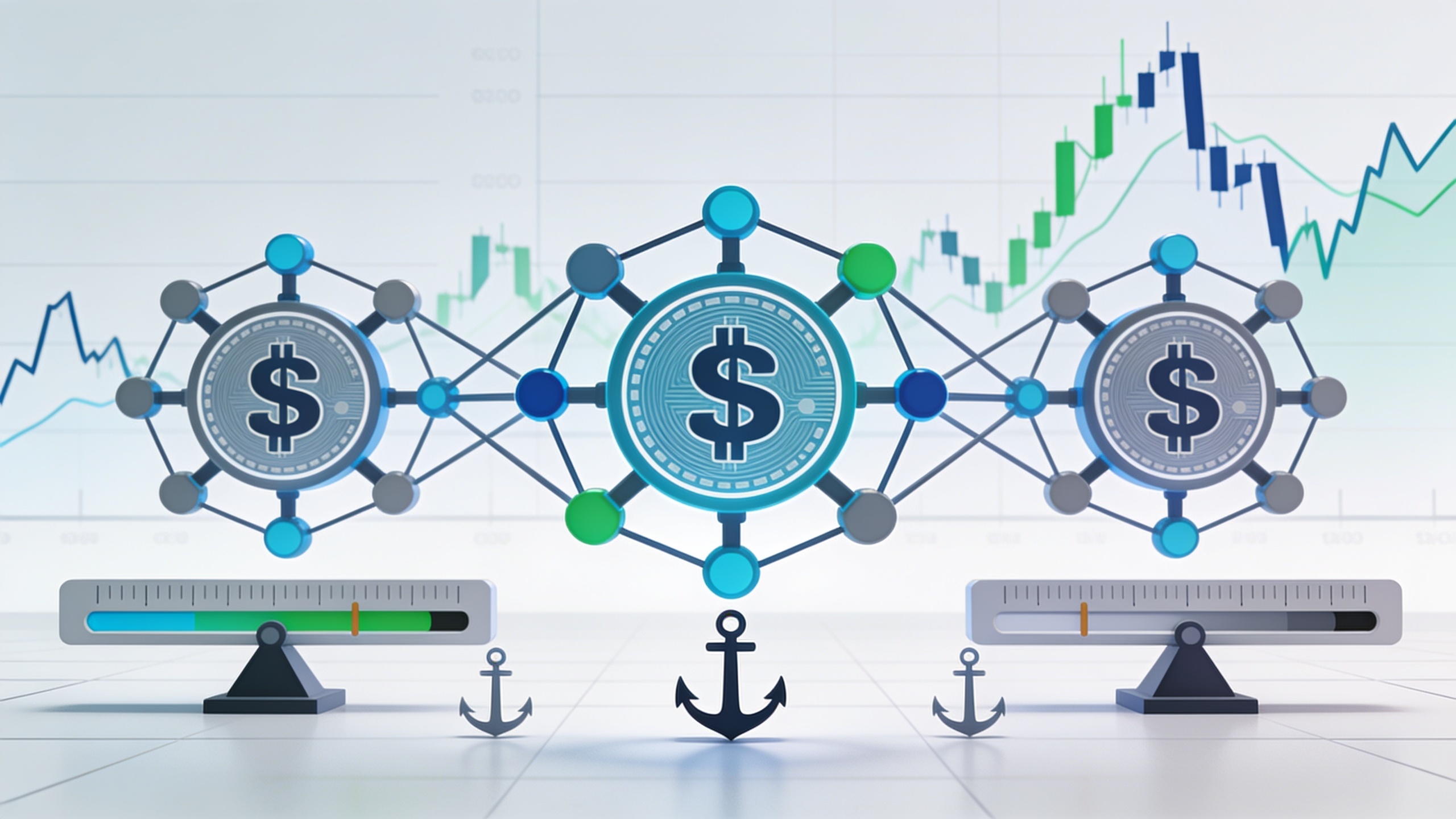
- Bitcoin (BTC): The One Everyone Anchors To
- Ethereum (ETH): Still the Backbone
- Solana (SOL): The Comeback Kid
- Cardano (ADA) and Avalanche (AVAX): The Layer-1 Slugfest
- Chainlink (LINK) and Polygon (MATIC): The Plumbing
- The Wildcards: XRP, Toncoin, and Render
- Comparison Table
- The Stuff That Can Wreck You
- Questions People Actually Ask
Why Bother Watching These at All
Crypto's volatile, yeah. Everybody knows that. But volatile isn't the same as random, and that distinction matters more than people give it credit for. Prices usually move because something happened. A protocol upgrade lands. A big institution finally jumps in. A regulator says something (or stops threatening to). Wallet activity spikes. These things leave fingerprints.
And here's what the on-chain data folks keep noticing: the tokens with actual developers showing up every week and a growing base of real wallets tend to do better over the long haul than the pump-and-dump stuff. Not always. But often enough that it's worth paying attention to.
Watching the top cryptocurrencies isn't about chasing every green candle. It's about figuring out which projects solve a real problem, don't have insane tokenomics that dump on you, and can survive a brutal bear market without evaporating. That's the lens I used to pick these. Market cap, tech that actually stands out, ecosystem growth, and how they held up when things got ugly.
Bitcoin (BTC): The One Everyone Anchors To
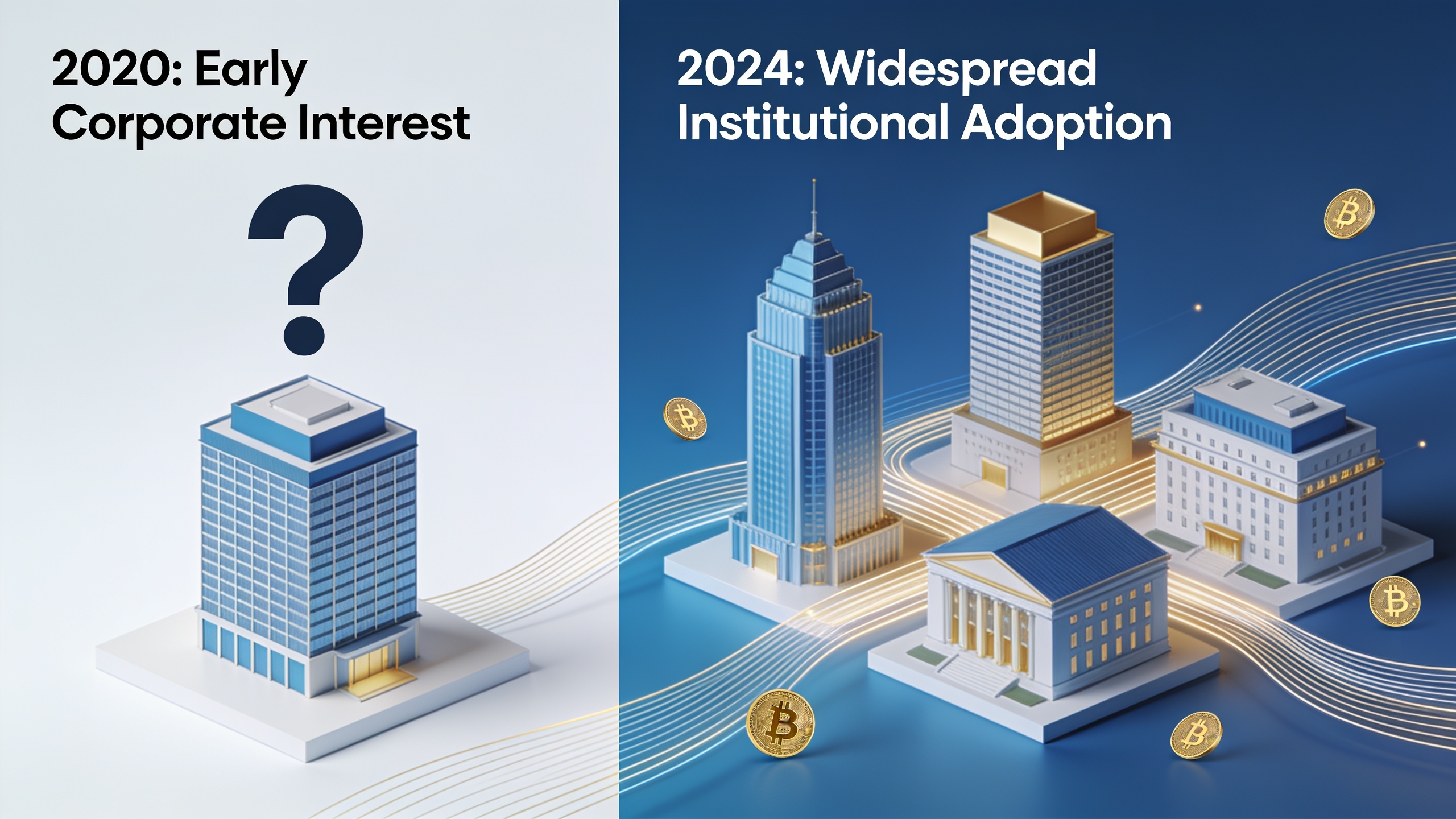
Bitcoin is the sun everything else orbits, and that hasn't changed. What has changed is who's buying it. The spot Bitcoin ETFs that got approved in early 2024 basically kicked open a door that had been locked for years. All that institutional money that couldn't touch crypto because of custody headaches and compliance nightmares? It came pouring in. We're talking north of $30 billion in net inflows across the big providers in the first year alone.
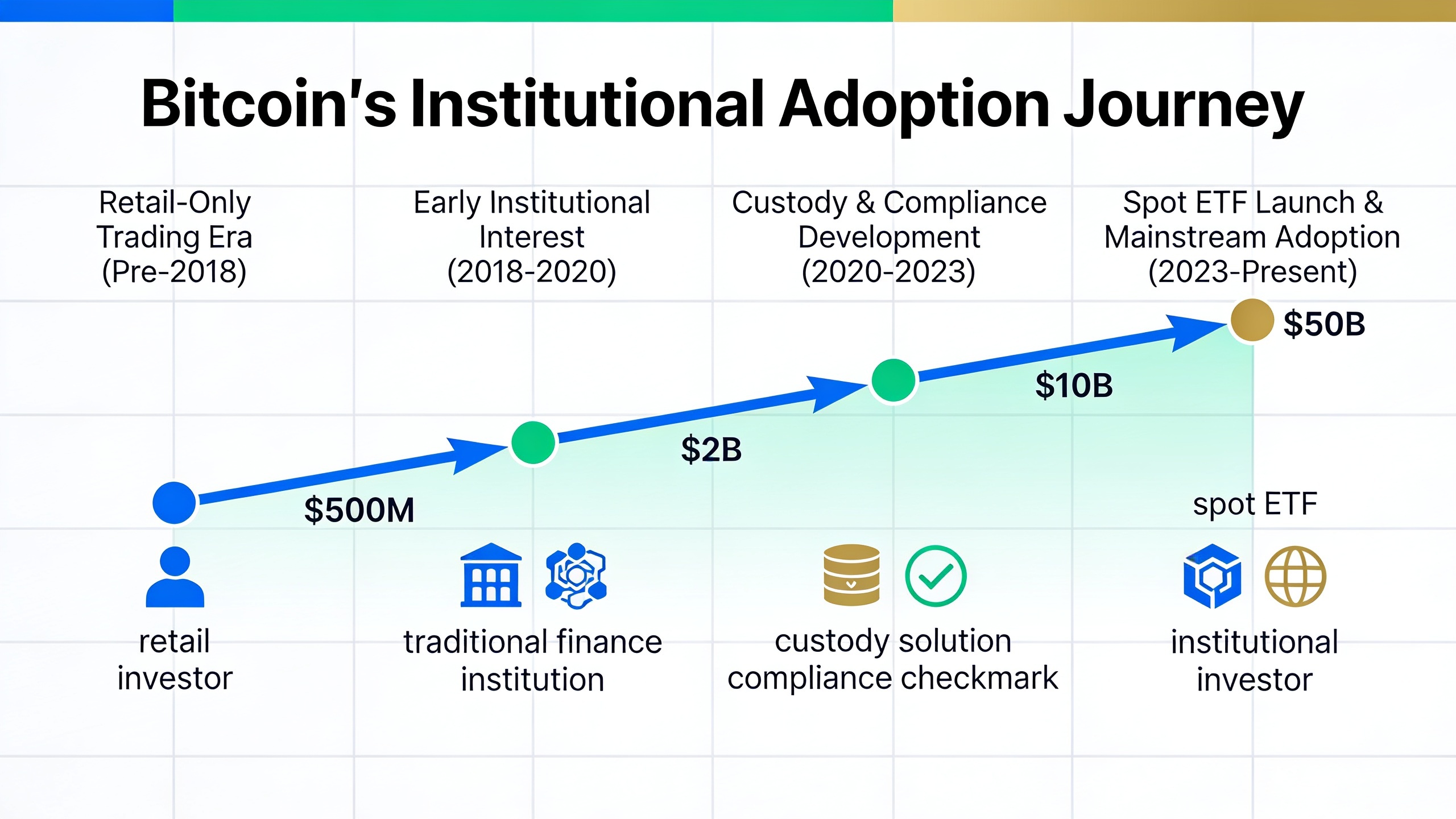
That's a big deal. It means Bitcoin's finally being treated less like a casino chip and more like an actual portfolio diversifier.
The scarcity story is still doing its thing too. Only 21 million will ever exist, and the 2024 halving cut block rewards down to 3.125 BTC, which tightens the supply screw a little further. Now, Bitcoin won't 10x on you the way some tiny altcoin might. The percentage gains are slower because it's already enormous. But it's also less jumpy than the rest of the market, and honestly, most sensible portfolios in this space are built on a Bitcoin foundation.
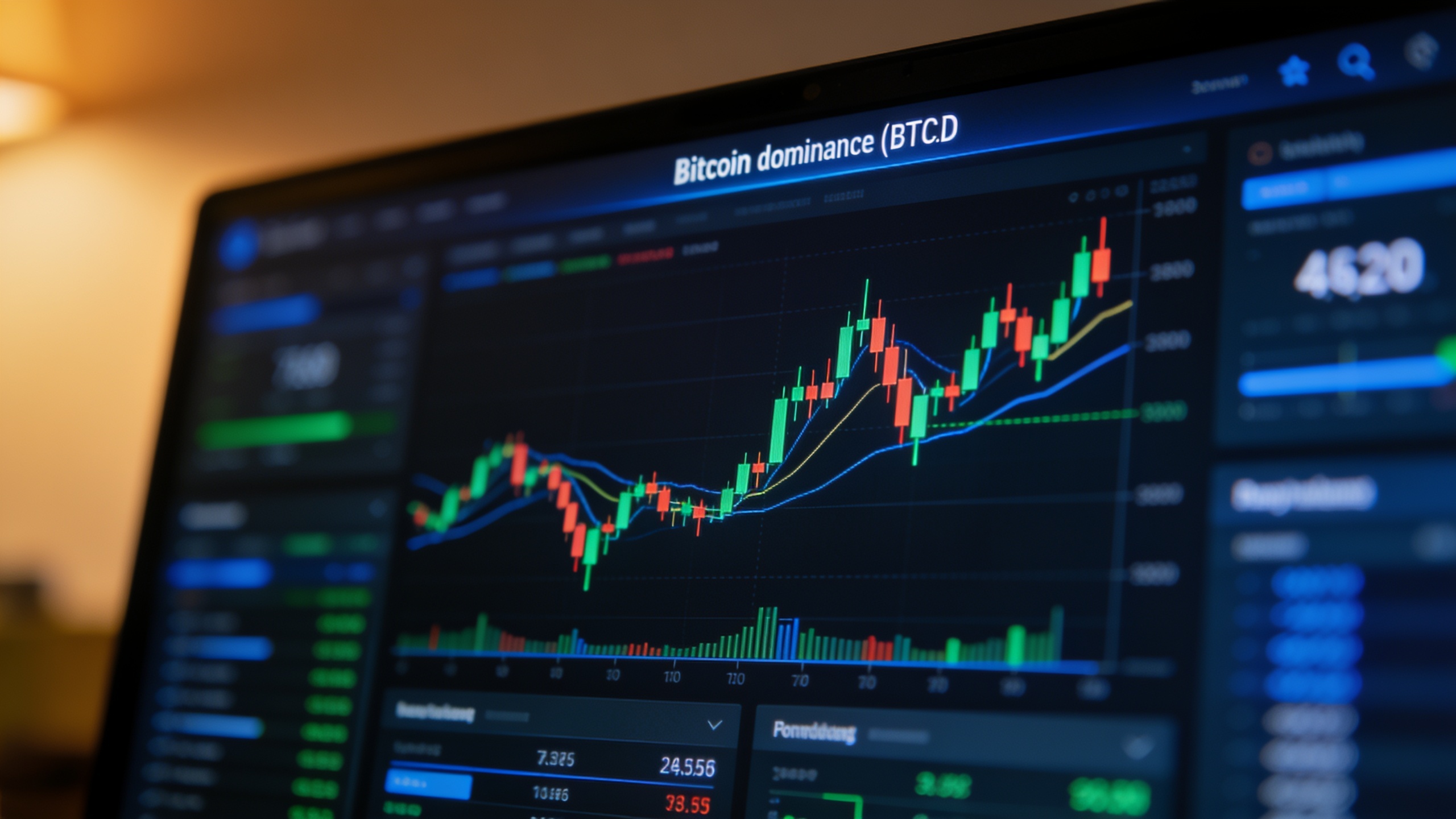
One thing worth watching is Bitcoin dominance, which is just its slice of the total crypto market cap. When that number climbs, it usually means people are getting nervous and hiding in Bitcoin. When it drops, money's flowing out into altcoins. It's a decent mood ring for the whole market.
Ethereum (ETH): Still the Backbone
If Bitcoin is digital gold, Ethereum is the thing everything actually gets built on top of. DeFi, NFTs, the whole tokenization wave that traditional finance keeps flirting with. It all mostly runs through Ethereum.
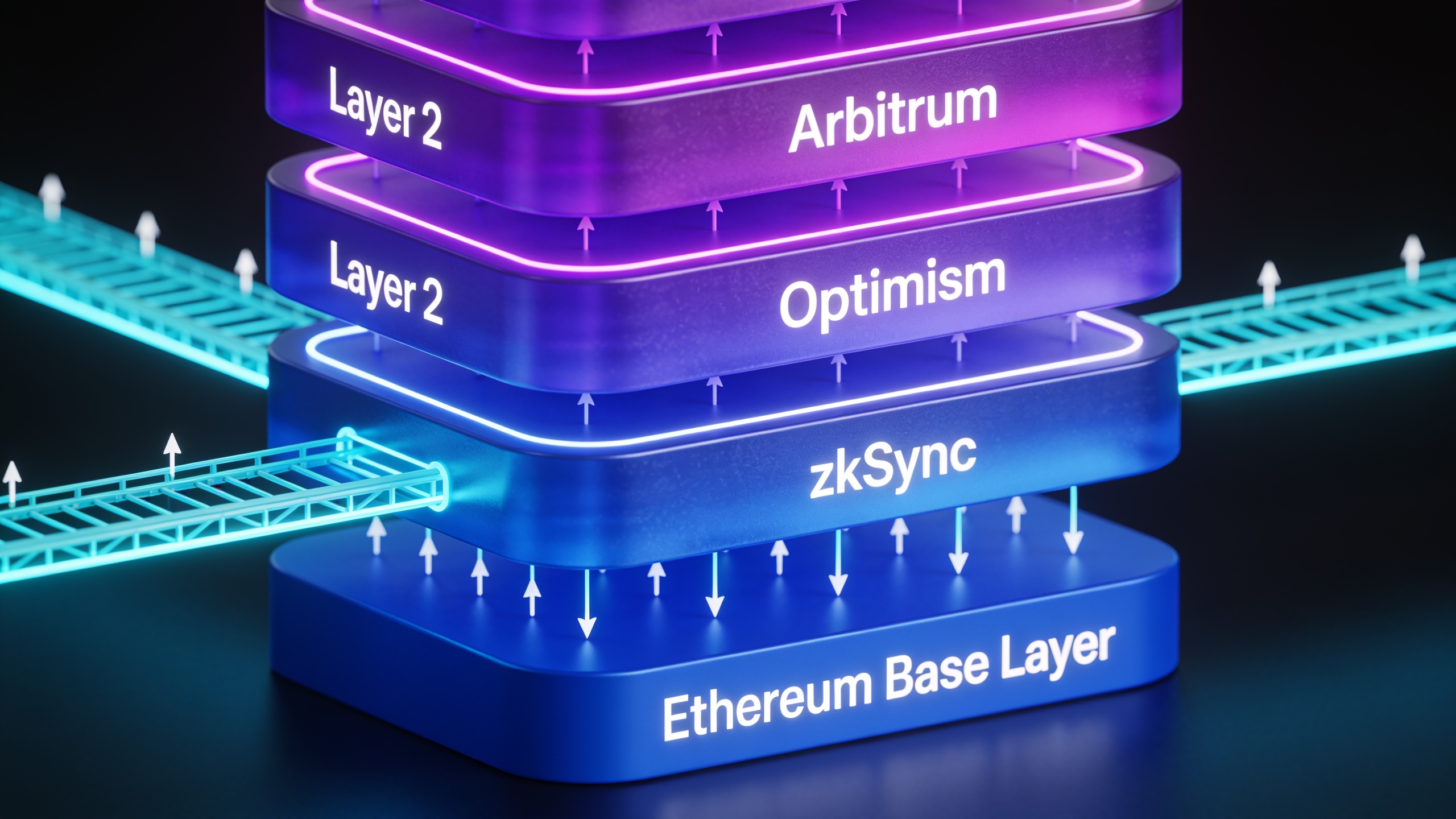
The switch to proof-of-stake was a big moment, and the upgrades since then have kept it moving. The Dencun upgrade in particular slashed the cost of transactions on Layer-2 networks, which was a genuinely helpful change for anyone who'd ever winced at Ethereum gas fees (which is everyone). Speaking of those Layer-2s, the ecosystem around Arbitrum, Optimism, and Base has done a lot of heavy lifting to make Ethereum faster without giving up the security of the main chain.
Total value locked in DeFi on Ethereum has stayed in the tens of billions, and the spot ETH ETFs that got approved a few months after Bitcoin's added another way for the big money to get in. Though I'll be honest, those inflows have been kind of underwhelming compared to Bitcoin's.
Still, with its rollup-focused roadmap and its grip on real-world asset tokenization, leaving Ethereum off a watchlist would be a bit like leaving oxygen off a list of things you need to breathe.
Solana (SOL): The Comeback Kid
Solana's story is genuinely wild. Back in 2022, when FTX blew up (and FTX was holding a lot of SOL), plenty of people wrote it off entirely. Dead chain walking. Except it wasn't. It clawed its way back through better uptime and an absolute explosion of on-chain activity.
The thing Solana does really well is speed. We're talking thousands of transactions per second for a fraction of a penny. That's made it the go-to chain for meme coin degens, for exchanges like Jupiter, and increasingly for consumer apps that need things to just work fast and cheap. At certain points, daily active addresses on Solana have actually beaten Ethereum and all its Layer-2s combined. That's not nothing.
Now, is it perfect? No. Solana's had a rough history with network outages, the kind where the whole thing just stops for a while. Embarrassing stuff. But reliability's gotten a lot better since they rolled out local fee markets and other fixes. For anyone tracking chains with real developer energy behind them, Solana's tough to ignore, warts and all.
Cardano (ADA) and Avalanche (AVAX): The Layer-1 Slugfest
Cardano is the nerd of the group, and I mean that as a compliment. It takes this academic, peer-reviewed approach to everything, thanks largely to founder Charles Hoskinson (who, fun fact, co-founded Ethereum before splitting off). The idea is you build slowly and carefully with formal verification so stuff doesn't break. Its Hydra scaling solution and its real focus on emerging markets, especially identity and supply chain work across parts of Africa, make it feel more like a long-term infrastructure bet than a quick flip.
The knock on Cardano is fair, though. DeFi adoption has crawled compared to Ethereum and Solana. Fans will tell you that slow and steady means fewer catastrophic bugs. Critics will tell you it just means slow. Both are kind of right.
Avalanche plays a different game. Its whole thing is subnets, which let companies and developers spin up their own custom blockchains that still talk to the broader Avalanche network but have their own rules and fees. That flexibility has pulled in some serious institutional interest, including experiments with tokenized traditional assets and dedicated gaming subnets. It also settles transactions almost instantly, which matters a lot if you're doing anything financial where waiting around is a dealbreaker.
Chainlink (LINK) and Polygon (MATIC): The Plumbing
Chainlink isn't flashy, but it's kind of essential. It's the dominant oracle network, which basically means it's the thing that feeds real-world data (prices, weather, sports scores, whatever) into smart contracts across dozens of blockchains. Smart contracts are blind on their own; Chainlink gives them eyes.
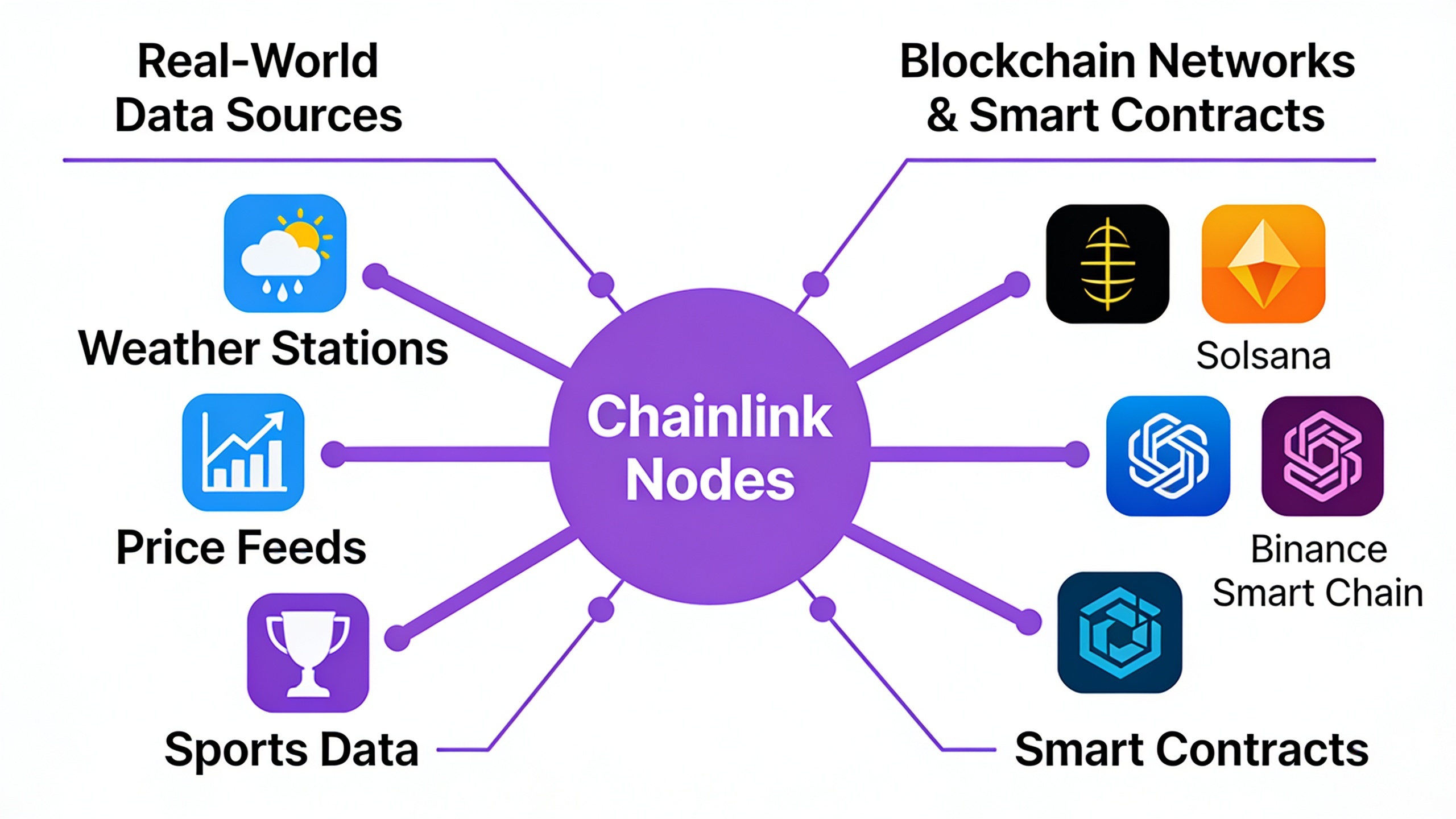
As tokenizing real-world assets picks up steam, Chainlink's Cross-Chain Interoperability Protocol has quietly become critical middleware linking old-school banks to blockchain rails. It's even been involved with SWIFT and various banks poking at tokenized settlement. When boring plumbing gets that kind of attention, you notice.
Polygon has reinvented itself more than once. It started as a simple Ethereum scaling helper and has since morphed into this "Polygon 2.0" vision built around zero-knowledge tech and one unified pool of liquidity across chains. Its AggLayer is trying to fix the annoying fragmentation problem where liquidity gets stuck in silos across a dozen different chains. And it's got actual brand deals, loyalty programs and gaming stuff, which gives it real adoption numbers rather than pure speculation. That counts for something.
The Wildcards: XRP, Toncoin, and Render
XRP has been through the legal wringer. Ripple Labs spent years getting sued by the SEC, and that cloud hung over the token forever. The partial resolution in 2024 cleared a big chunk of that away, which was a relief for a lot of holders. Its actual job, moving money across borders and providing liquidity for financial institutions, is still relevant as banks keep looking for something faster than the ancient correspondent banking system.
Toncoin is the one tied to Telegram, and this is where it gets interesting. Telegram has something like 900 million monthly active users, and TON is baked right into that ecosystem. Mini-apps and little games built straight into the Telegram interface have driven wallet creation at a scale almost nobody else can touch. That's a genuinely huge built-in audience, which makes Toncoin a real dark horse here. (Though putting all your eggs in one messaging app's basket has obvious risks, which we'll get to.)
Render is where crypto bumps into the AI hype train. It connects people with spare GPU power to people who need it for rendering and AI training. So it's riding two of the biggest tech narratives going at once. If decentralized GPU compute keeps growing alongside AI, Render could get a lot of eyeballs. That said, the space is crowded and speculative as hell, so temper the excitement.
Comparison Table
| Cryptocurrency | Primary Use Case | Consensus Mechanism | Notable Strength | Key Risk |
|---|---|---|---|---|
| Bitcoin (BTC) | Store of value | Proof of Work | Institutional adoption via ETFs | Slower innovation pace |
| Ethereum (ETH) | Smart contracts / DeFi | Proof of Stake | Largest developer ecosystem | High gas fees on mainnet |
| Solana (SOL) | High-speed transactions | Proof of History + PoS | Superior transaction throughput | Historical network outages |
| Cardano (ADA) | Research-driven infrastructure | Proof of Stake | Academic rigor, emerging market use | Slower DeFi adoption |
| Avalanche (AVAX) | Custom blockchain subnets | Avalanche Consensus | Fast finality, enterprise appeal | Competition from other L1s |
| Chainlink (LINK) | Oracle / data infrastructure | N/A (middleware) | Dominant oracle market share | Dependent on broader adoption |
| Polygon (MATIC) | Ethereum scaling | Proof of Stake | Real-world brand partnerships | Fragmented L2 competition |
| XRP | Cross-border payments | Federated consensus | Reduced regulatory uncertainty | Centralization concerns |
| Toncoin | Telegram-integrated apps | Proof of Stake | Massive built-in user base | Concentration risk in Telegram |
| Render (RNDR) | Decentralized GPU compute | Proof of Work/Stake hybrid | AI + blockchain convergence | Highly competitive AI sector |
The Stuff That Can Wreck You
Look, even the best coins on this list carry real risk. That's not a flaw in the system, that's just what crypto is. Regulation shifts constantly and unpredictably from country to country. Something perfectly legal in one place gets slapped down somewhere else. Global regulators like the Financial Stability Board keep signaling they want to crack down harder on stablecoins and DeFi, and if that happens, it could pile on compliance costs that mess with how these tokens actually get used.
Liquidity's another thing people underestimate. Bitcoin and Ethereum have deep, liquid markets, so you can move size without wrecking the price. Smaller tokens? Try to sell a big position and you'll watch the price slide out from under you. That slippage cuts both ways and makes the swings even nastier.
And then there's smart contract risk, which is the boring technical stuff that has cost people fortunes. Even audited protocols have gotten exploited, and collectively the industry has lost hundreds of millions to hacks and bugs over the past few years. Audits help. They don't make you bulletproof.
So diversify. Size your positions sensibly. Know how much you can actually stomach losing before you buy anything. Nothing here, and I mean nothing, including Bitcoin, is guaranteed to go up. If crypto's taught us anything, it's that the narrative can flip faster than you can rebalance.
Questions People Actually Ask
What makes a coin actually worth watching?
Real developer activity, real-world use that people adopt, growing on-chain numbers like active addresses and transaction volume, and a clear-ish legal standing. Basically, does anyone use this thing, and are smart people still building it? Projects that pair genuine tech with actual partnerships tend to hold up way better than pure hype machines.
Have I missed the boat on Bitcoin and Ethereum?
Nah, I don't buy the "too late" framing for either one. Sure, you probably won't see the insane 100x gains from the early days, because they're both massive now. But they keep pulling in institutional money and infrastructure that keeps them relevant. They're the foundation, not a lottery ticket.
How much should I put into the smaller, riskier coins?
Totally depends on your risk tolerance, but the general wisdom among advisors who actually specialize in this stuff is to keep the speculative altcoin bets to a modest slice of your overall crypto pile, with the bulk weighted toward Bitcoin and Ethereum. Spreading across different use cases (payments, infrastructure, DeFi, AI stuff) helps too, so you're not overexposed to any single narrative blowing up.
Do meme coins count as "top cryptocurrencies"?
Eh. They can pump like crazy and dominate the timeline for a week, but they mostly lack the fundamentals, use cases, or roadmaps the projects above have. They're gambling, plain and simple. Fun gambling, maybe. But not core holdings for anyone thinking long-term.
How often should I revisit my watchlist?
Everything moves so fast in crypto that checking in every quarter or so is a reasonable rhythm for most people. But big events, a major upgrade, a regulatory bombshell, some macro shock that hits risk assets everywhere, those should make you look sooner rather than later.
At the end of the day (okay, I know, but bear with me), this whole thing is about balancing your excitement for the tech against the discipline to not blow yourself up. These ten are a mix of solid infrastructure and interesting long shots, each with its own strengths and its own ways of disappointing you. Do your own digging, and if real money's involved, talking to someone who actually knows digital assets never hurts. This piece is a starting point, not gospel.
You Might Also Find Useful
- Cryptocoinsjournal - Stay updated with in-depth crypto news, market analysis, and blockchain insights for informed investment decisions.
- Ricaritranslombok - Reliable transportation and travel logistics services for exploring Lombok, Indonesia with ease.
- t7b - A comprehensive wholesale marketplace offering a wide range of goods for retailers and businesses.