Top 10 Cryptocurrencies to Watch This Year
Crypto has grown up. Sort of. We've moved past the days when a dog-themed coin could 100x on a Elon tweet (okay, that still happens occasionally), and into a market that's actually being shaped by...

Crypto has grown up. Sort of. We've moved past the days when a dog-themed coin could 100x on a Elon tweet (okay, that still happens occasionally), and into a market that's actually being shaped by big money, clearer regulation, and technology that, in some cases, genuinely works. So the hard part now isn't finding coins to buy. There are something like 2.4 million tokens floating around out there according to CoinGecko, which is an absolutely insane number when you think about it. The hard part is figuring out which handful of those actually matter.
That's what I want to do here. Ten cryptocurrencies worth keeping an eye on, picked because they've got real development happening, real use cases, and a decent shot at still being around in five years. Whether you're actively trading or just slowly building a portfolio you won't have to babysit, this should give you a sense of where the more serious money is looking, and why.
Table of Contents
- Why Tracking Top Cryptocurrencies Matters
- Bitcoin (BTC): The Enduring Benchmark
- Ethereum (ETH): The Smart Contract Standard
- Solana (SOL): Speed Meets Scale
- Top Cryptocurrencies in the Layer-2 and Scaling Space
- Emerging Crypto to Watch: Mid-Cap Contenders
- Comparing the Top 10 Cryptocurrencies at a Glance
- How to Evaluate Top Cryptocurrencies Before Investing
- Risks to Consider Before Investing
- FAQ: Common Questions About Top Cryptocurrencies
Why Bother Keeping Track At All
Crypto moves fast. Blink and you've missed three narratives, two rug pulls, and a coin that briefly hit a billion-dollar valuation before vanishing. But staying on top of the major players isn't really about catching the next pump. It's about understanding where this whole blockchain thing is actually going.
The total market cap has bounced around between roughly $1.5 trillion and $2.7 trillion over the last few cycles, which tells you two things: it's volatile as hell, and it's also clearly not going away.
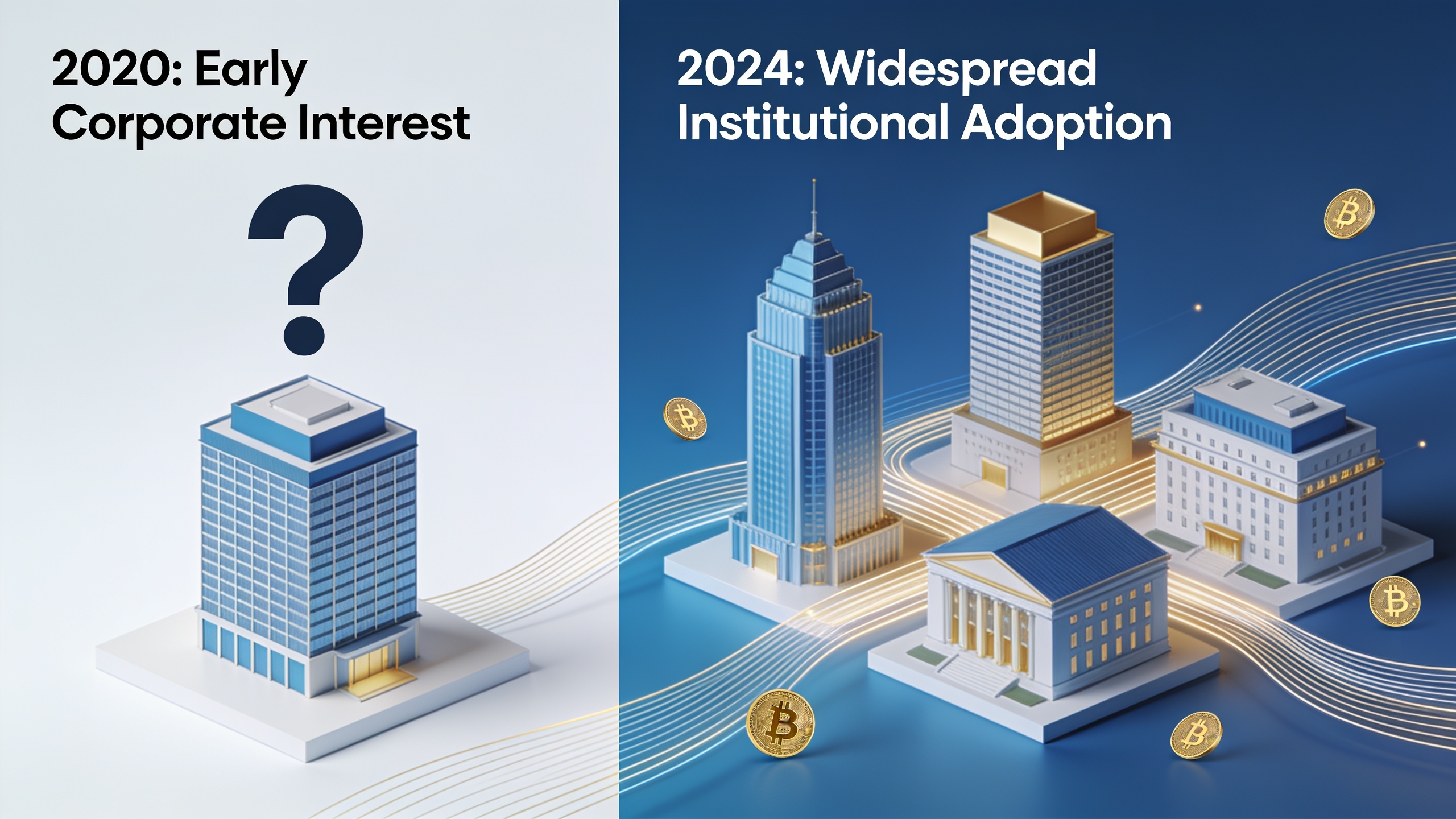
The biggest shift, honestly, has been the big institutions showing up. When spot Bitcoin ETFs got approved in the US, they pulled in billions within their first year. That matters. It means pension funds and wealth managers and regular retirement accounts can now hold Bitcoin exposure without touching a single private key. Traditional finance stopped pretending crypto didn't exist. Meanwhile the infrastructure keeps quietly getting better, and stuff that used to be fringe experiments (interoperability, tokenizing real-world assets, faster throughput) has become the main conversation.
So if you're building any kind of diversified portfolio, knowing which projects have staying power versus which are just noise is kind of the whole ballgame. Let's get into who's actually worth watching.
Bitcoin (BTC): Still the One Everything Revolves Around
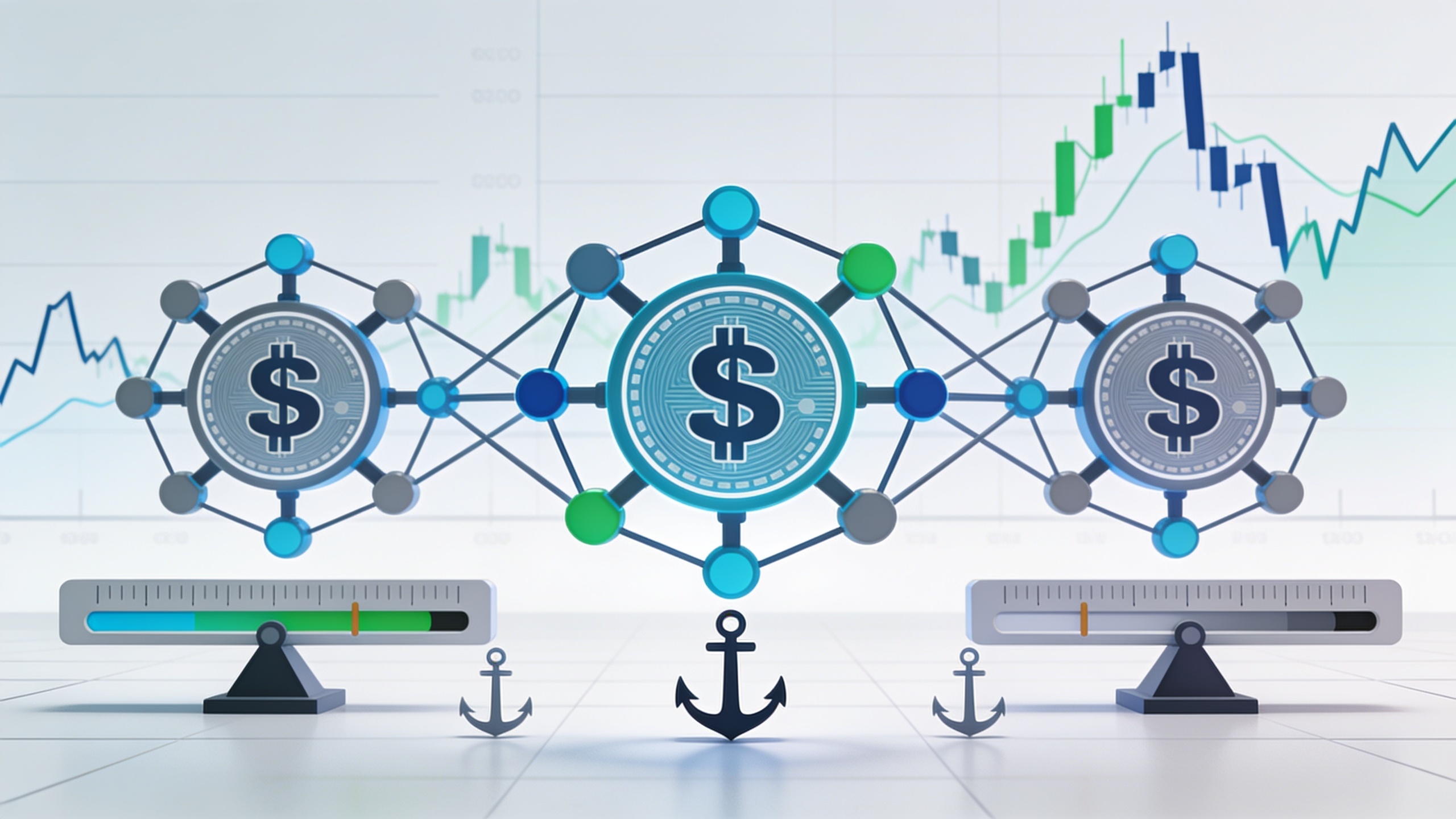
Bitcoin isn't exciting anymore, and that's precisely the point. It's the anchor. The first, the biggest, the one your uncle has heard of, and it still eats up somewhere between 45 and 55% of the entire crypto market on any given day.
What makes it worth watching this year isn't some flashy new feature. It's boring consistency plus that institutional money I mentioned. The ETF approvals basically built a bridge between Wall Street and Bitcoin, and a lot of traditional capital walked right across it. And then there's the whole "digital gold" thing, which sounds like marketing until you remember there will only ever be 21 million coins. When people get nervous about inflation or their government's currency, that fixed supply story gets a lot more compelling.
Oh, and the network security is genuinely absurd at this point. The hash rate keeps hitting new highs, which in plain English means Bitcoin's blockchain is one of the most stubbornly unbreakable computing networks humans have ever built. For most cautious investors, Bitcoin is the foundation. You put it at the base and then decide how much riskier stuff you want to stack on top.
Ethereum (ETH): The One Everything's Actually Built On
If Bitcoin is digital gold, Ethereum is more like digital plumbing. DeFi, NFTs, smart contracts, most of it runs through here somewhere. And after Ethereum switched from proof-of-work to proof-of-stake, it cut its energy use by something like 99.95%, which pretty much killed the "crypto is destroying the planet" argument overnight (at least for ETH).
The numbers back up its dominance. Total value locked in DeFi protocols on Ethereum regularly tops $50 billion, which is a fancy way of saying it's the settlement layer where most of the interesting on-chain finance happens. And the ongoing upgrades keep chipping away at its biggest weakness, which is cost. They're focused on making rollups more efficient and improving data availability so transactions get cheaper without giving up security.
Here's how I think about it. Buying Ethereum isn't really buying a currency. It's more like buying a piece of the infrastructure. Every time somebody mints an NFT, takes out a loan against their crypto, or swaps tokens on a decentralized exchange, there's a good chance Ethereum's network is in the mix somewhere. That diversified exposure is a big part of the appeal.
Solana (SOL): Fast and Cheap, With an Asterisk
Solana made its name on being ridiculously fast and ridiculously cheap. We're talking theoretical throughput north of 65,000 transactions per second and fees that are often less than a penny. That combo attracted a ton of developers building exchanges, games, payment apps, you name it.
Now, the asterisk. Solana had a rough patch early on with network outages, and critics never let it forget. But the engineering team put in the work, reliability has improved a lot, and the network's survived several full market cycles without falling apart. Its ecosystem has ballooned to include serious DeFi protocols, NFT marketplaces, and a growing chunk of the real-world asset tokenization scene.
The Solana Foundation has also been aggressive about courting institutional partners, and honestly, for mainstream payments where people just want things to be fast and cheap and don't care about maximizing decentralization, Solana's architecture makes a lot of sense.
The Layer-2 Crowd (Or: How Ethereum Doesn't Choke)
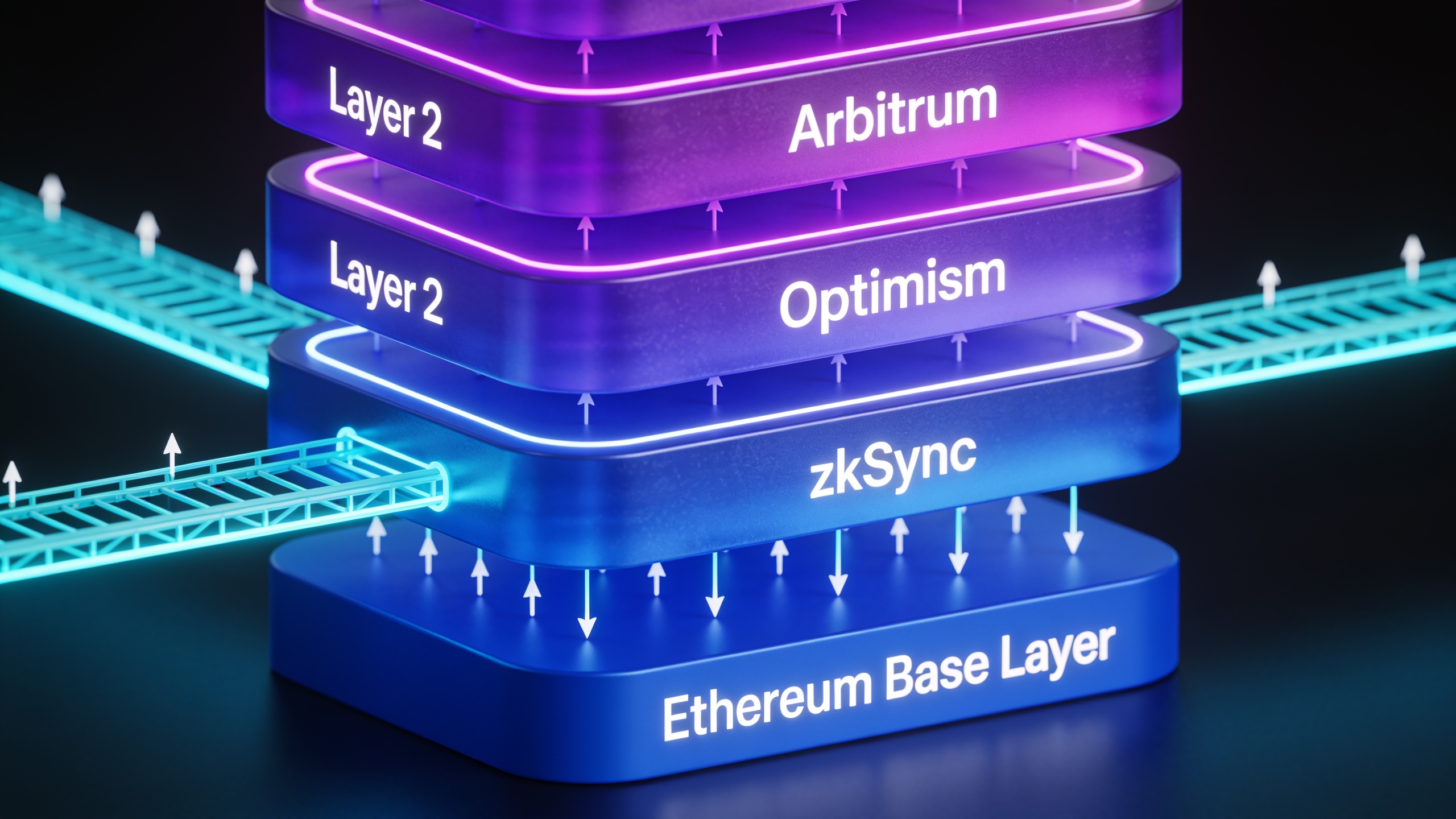
Here's a problem worth understanding. Ethereum is secure and popular, but when everyone piles on at once, it gets slow and expensive. Painfully so. Layer-2 networks exist to fix exactly that, and they're some of the more technically interesting projects out there right now because they're solving a real, tangible bottleneck rather than chasing hype.
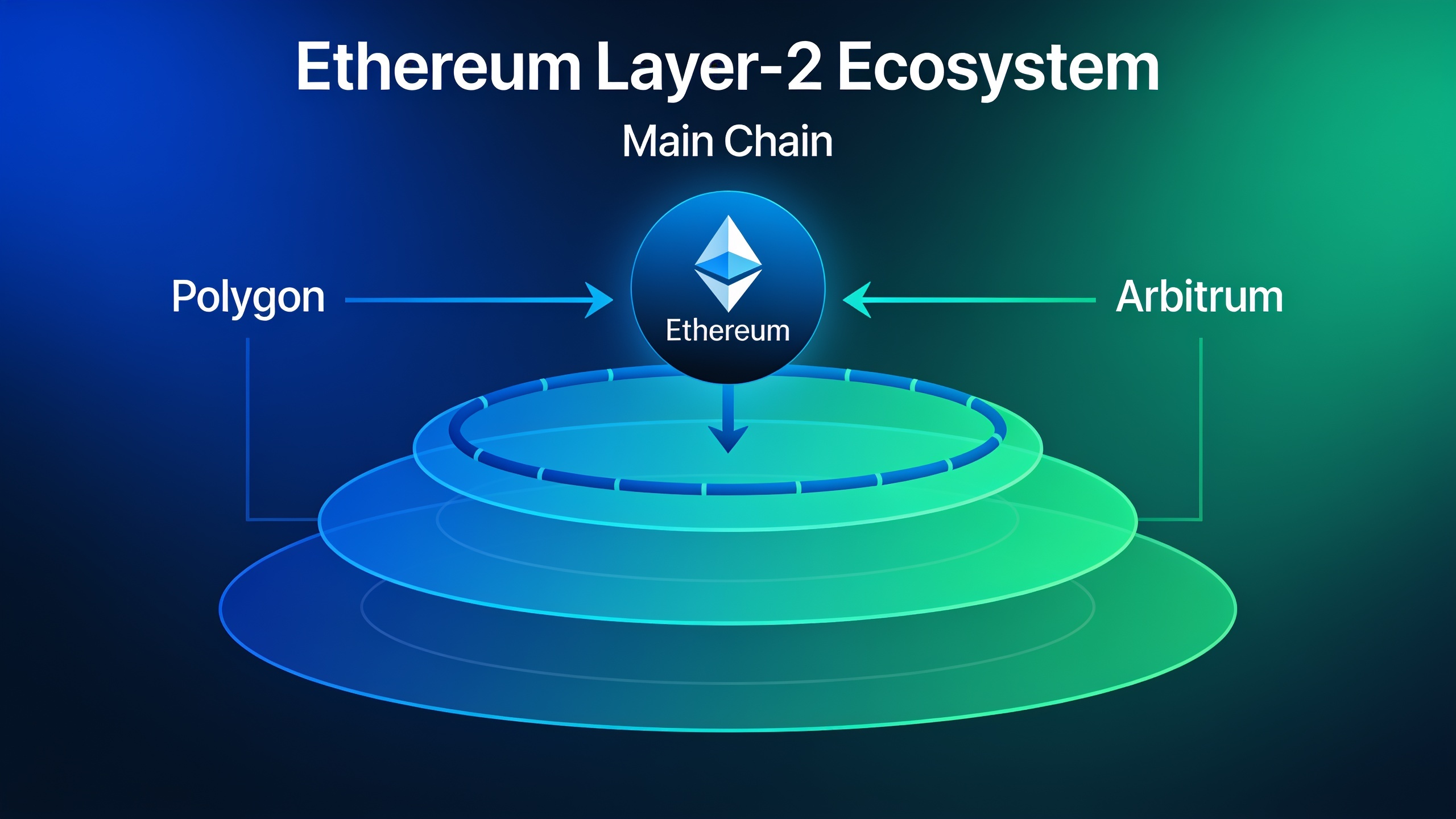
Polygon (MATIC/POL) started life as a simple Ethereum scaling helper and grew into a whole web of interconnected chains. Its big bet is on zero-knowledge proof technology, which (without getting too deep in the weeds) lets value move across multiple blockchains smoothly while still borrowing Ethereum's security. Ambitious stuff, and if it works the way they're hoping, kind of a big deal.
Arbitrum (ARB) is one of the leading "optimistic rollup" solutions, and it's consistently held the biggest slice of total value locked among Layer-2 networks. If you're a developer who wants Ethereum compatibility without getting murdered by gas fees, Arbitrum is often where you deploy.
The way these work, roughly, is they process transactions off the main Ethereum chain and then settle the final proofs back on it. You get speed and low cost, but you're still anchored to Ethereum's security. Best of both worlds, in theory. In practice it's more complicated, but the tech is legitimately impressive.
The Mid-Cap Wildcards
Beyond the household names, there's a tier of projects that are more of a gamble but potentially more rewarding. Higher risk, higher upside. These are the ones people argue about on Twitter at 2am.
Chainlink (LINK) tackles what's called the "oracle problem," which is a nerdy way of describing a real headache: how do you get accurate real-world data onto a blockchain without someone faking it? DeFi apps, insurance platforms, prediction markets, they all need reliable outside data to function, and Chainlink's decentralized oracle network has quietly become the go-to solution. It's plugged into hundreds of protocols and has branched out into cross-chain services too. Unsexy infrastructure that everything else depends on. I have a soft spot for projects like that.
Avalanche (AVAX) does its own thing with what it calls subnets, basically letting businesses spin up their own customized blockchains that still play nice with the wider Avalanche ecosystem. That flexibility has caught the eye of institutions, especially for tokenizing assets and enterprise use.
Cardano (ADA) is the tortoise in a race full of hares. Its development is slow, methodical, obsessed with peer-reviewed research and formal verification. This drives some people crazy because it feels like it takes forever to ship anything. But it's also built a fiercely loyal community that values the academic rigor. Whether that patience pays off is genuinely still an open question, but the community isn't going anywhere.
Polkadot (DOT) is all about interoperability. Its "parachain" setup lets specialized blockchains talk to each other and share security through a central relay chain. If you're building something custom but don't want to be an island cut off from everyone else, Polkadot's pitch is pretty appealing.
Comparing the Top 10 Cryptocurrencies at a Glance
| Cryptocurrency | Primary Use Case | Consensus Mechanism | Notable Strength |
|---|---|---|---|
| Bitcoin (BTC) | Store of value | Proof of Work | Institutional adoption, security |
| Ethereum (ETH) | Smart contracts, DeFi | Proof of Stake | Developer ecosystem, TVL dominance |
| Solana (SOL) | High-speed transactions | Proof of History/Stake | Low fees, high throughput |
| Polygon (POL) | Ethereum scaling | Proof of Stake | ZK-proof interoperability |
| Arbitrum (ARB) | Layer-2 rollups | Optimistic Rollup | Largest L2 TVL share |
| Chainlink (LINK) | Oracle data feeds | N/A (middleware) | Cross-chain data reliability |
| Avalanche (AVAX) | Custom subnets | Proof of Stake | Enterprise flexibility |
| Cardano (ADA) | Smart contracts | Proof of Stake | Academic rigor, sustainability |
| Polkadot (DOT) | Blockchain interoperability | Nominated Proof of Stake | Shared security model |
| XRP | Cross-border payments | Consensus Protocol | Banking partnerships |
Look at that table for a second and you'll notice something. These aren't all fighting for the same prize. They're specializing in different layers of the whole blockchain economy, from raw settlement to data feeds to enterprise-specific stuff. It's less of a single race and more of an ecosystem where different projects fill different niches.
How to Actually Judge a Coin Before You Buy
Watching price charts will teach you basically nothing about whether a project is good. Sorry. Here's what actually separates the durable stuff from the hype.
Developer activity is one of the clearest tells. You can literally go on GitHub and see how often a project's code is being updated and how many people are contributing. If the developers have wandered off, no amount of Twitter marketing is going to save it. Dead code, dead project.
Then there's tokenomics, which sounds boring but really isn't optional. You want to understand the supply schedule, the inflation rate, the staking rewards, and especially the token unlock schedule. Because if a huge chunk of tokens is sitting with early investors and about to unlock next month, guess what happens to the price? Down. Fundamentals be damned.
Real adoption beats social media noise every time. Look at total value locked, active wallets, transaction volume, actual partnerships with real businesses. That stuff is hard to fake. A trending hashtag isn't.
I'd also pay attention to regulatory positioning, which has become weirdly important. Projects that engage with regulators proactively tend to weather storms better than the ones playing in legal gray areas hoping nobody notices. And finally, the governance structure matters more than people think. Transparent decision-making and active communities usually point to healthier long-term projects than ones quietly run by a tiny group of insiders you'll never see.
The Stuff That Could Go Wrong
I'd be doing you a disservice if I didn't spell out the risks, because there are plenty. Crypto is way more volatile than traditional assets. Double-digit percentage swings in a single day are just... normal here, especially when the market's nervous. If that gives you a stomachache, size your positions accordingly.
Regulatory risk is the big scary one. Every country handles crypto differently when it comes to taxes, whether something counts as a security, and how exchanges get licensed. And a single policy shift in a major market can send the whole sector tumbling, not just the coin directly affected. It's frustratingly unpredictable.
Smart contract bugs are another persistent nightmare. Even with better auditing these days, DeFi protocols have collectively lost billions to hacks and exploits over the years. Being well-established doesn't make you immune. Code has bugs. Bugs get exploited.
Liquidity's a sneaky one too, and it hits smaller coins hardest. The top-10 stuff is generally liquid enough to move in and out of easily. But try dumping a big position of some obscure token and you might watch the price crater against you before you're even done selling. Getting out costs more than you'd think.
And here's the thing early crypto folks hate to admit: digital assets aren't as separate from the traditional financial world as we all hoped. Interest rate decisions, inflation reports, general risk appetite on Wall Street, they all move crypto prices now. So much for being uncorrelated.
FAQ: The Questions People Actually Ask
What makes a cryptocurrency worth watching this year?
Fundamentals, basically. Active development, real use cases, growing adoption, and tokenomics that don't set off alarm bells. Price alone tells you almost nothing, because plenty of short-term rallies are pure speculation with nothing underneath them.
Should beginners start with Bitcoin and Ethereum, or jump into smaller projects?
Most people who know what they're doing would tell you to build a base with the established stuff first, then maybe put a smaller slice into the riskier plays. It's the sensible middle ground between playing it safe and swinging for the fences.
How much of my portfolio should be in crypto?
Depends entirely on your risk tolerance, but a lot of financial planners land somewhere in the 1% to 10% range given how wild the swings can get. Personally I'd err toward the lower end if this is new to you, but that's just me.
Are Layer-2 solutions like Arbitrum and Polygon competing with Ethereum or helping it?
Helping. They're built to scale Ethereum, not replace it. They handle transactions more efficiently and then lean on Ethereum's base layer for final security. Think teammates, not rivals.
How often should I revisit my crypto watchlist?
Given how fast things change here, a quarterly check-in works for most people. But keep a closer eye during big market swings or when a major protocol upgrade is coming down the pipe.
At the end of it all, this market rewards the people who look past the daily price drama and pay attention to what's actually being built. Bitcoin and Ethereum are the bedrock. Solana, Chainlink, and the various Layer-2s show how specialized infrastructure keeps maturing. The projects worth your attention are the ones solving real problems (payment speed, data reliability, cross-chain communication) rather than the ones riding a hype wave that's already cresting. Stay curious, diversify like a grown-up, and don't let FOMO make your decisions for you. That'll get you further than any hot tip ever will.
You Might Also Find Useful
- Cryptocoinsjournal - Your go-to source for in-depth crypto news, market analysis, and educational content to help you navigate the evolving digital currency landscape.
- Ricaritranslombok - Planning a trip to Indonesia? Check out reliable transportation and tour services for exploring Lombok.
- t7b - A wholesale supplier offering a wide range of general merchandise for bulk purchasing needs.