5 Tips for Securing Your Crypto Assets from Hackers
Want to keep your crypto safe? Start treating it like a bank vault, not a Twitter password. That single mental shift matters more than almost anything else I'm about to tell you. The thing about...

Want to keep your crypto safe? Start treating it like a bank vault, not a Twitter password. That single mental shift matters more than almost anything else I'm about to tell you.
The thing about crypto is that it cuts out the middleman who normally protects your money. No bank, no fraud department, no one to call when things go sideways. Which sounds great until you realize that all of that responsibility just landed squarely on you. Screw it up, and a stolen private key or one bad login can drain your entire portfolio in the time it takes to microwave lunch. No chargeback. No customer service line. Just gone.
So this is my rundown of five things you can actually do today, whether you've got a couple hundred bucks in Bitcoin or you're bouncing across five exchanges every morning. We'll get into authentication, storage, phishing, keeping your software clean, and spreading your risk around. There's a comparison table further down and answers to the questions people ask me most.
Table of Contents
- Why You Need to Secure Crypto Assets Now, Not Later
- Tip 1: Turn On Two-Factor Authentication the Right Way
- Tip 2: Move Long-Term Holdings Into Cold Storage
- Tip 3: Recognize and Avoid Phishing and Social Engineering
- Tip 4: Keep Your Software, Wallets, and Networks Clean
- Tip 5: Diversify Custody and Plan for the Worst Case
- How Do Hot Wallets and Cold Wallets Compare for Security?
- What Should You Do If You've Already Been Hacked?
- Frequently Asked Questions
Why You Need to Secure Crypto Assets Now, Not Later
You need to lock down your crypto before you think you need to, because once a hacker gets into a wallet or exchange account, that transaction is almost always irreversible and those funds are almost always gone for good. Blockchain settles on a public ledger that no central authority can reverse. That's the whole point of decentralization, and it's also exactly what makes a security failure so brutal.
Crypto has a long, ugly history of breaches. Early exchange collapses. Sophisticated DeFi exploits that emptied smart contracts of hundreds of millions of dollars in a single hit. We actually wrote up one of these, our DeFi hack case study on how a major protocol recovered from a devastating exploit, and it's a sobering read. It shows how fast money vanishes when one vulnerability gets exploited, and how much painful work goes into rebuilding trust afterward. The takeaway for you and me is the same lesson those protocols learned the hard way: security has to be baked in from day one, not duct-taped on after you've already lost your shirt.
Here's what bugs me about the way attackers work, though. They almost never bother breaking the actual cryptography. Why would they? It's way easier to go after people. SIM-swapping to steal your text codes. Fake login pages that look identical to your exchange. Malware that quietly swaps the wallet address you copied. Phony "support agents" sliding into your DMs. None of that requires genius-level hacking. It just exploits sloppy habits and lazy account security. And honestly, that's the good news, because it means most of this stuff is preventable if you're even a little bit consistent.
Tip 1: Turn On Two-Factor Authentication the Right Way
Two-factor authentication (2FA) makes you prove who you are twice: your password, plus a second thing like a code from an app or a physical key. It's the cheapest, fastest move you can make to protect crypto sitting on any exchange or online service. But the kind of 2FA you pick matters just as much as turning it on in the first place.
Let's talk about SMS 2FA, the kind that texts you a code. It's better than nothing. Barely. The problem is your phone number isn't really yours in the way you think it is. A SIM-swap attack, where some criminal sweet-talks or bribes a carrier employee into moving your number onto their device, hands them every code that comes in. Once they've got your number, they intercept the texts and reset your exchange password while you're standing there wondering why your phone lost signal.
Authenticator apps are a big step up because they spit out time-based codes right on your device, and those codes never touch the cellular network. Better still is a hardware security key, one of those little physical gadgets you plug into a USB port or tap over NFC. It has to physically be there to approve a login, which means a phisher three time zones away is dead in the water. More and more exchanges support these now, and that's not an accident. They kill remote phishing and SIM-swaps stone dead.
A few rules that make 2FA actually work:
- Use an authenticator app or hardware key instead of SMS anywhere the platform lets you.
- Keep your backup codes offline, on paper, somewhere safe. Not a screenshot. Definitely not in the cloud.
- Turn on 2FA for the email tied to your exchange too, because that inbox is usually the first door attackers try to kick down.
Oh, and if you're staking your coins for yield, all of this applies there as well. Give our crypto staking guide covering how to earn passive income with digital assets a read before you delegate anything, because staking dashboards and validator logins are every bit as juicy a target for credential thieves as your exchange account.
Tip 2: Move Long-Term Holdings Into Cold Storage
Cold storage means keeping your private keys, the cryptographic proof that you own your crypto, on a device that never, ever touches the internet. It's the single most effective way to protect crypto from remote hacking, for the simple reason that something which is never online can't be reached by malware, phishing kits, or remote exploits. You can't hack what you can't connect to.
The opposite is a hot wallet: a browser extension, a phone app, an exchange account. Something plugged into the internet that you use for day-to-day trading. Convenient, sure. But anything that compromises your device or your browser session can potentially get at those keys. The rule most serious traders live by is dead simple. Keep only what you need for near-term trading in the hot wallet, and shove everything else, all your long-term holdings, into cold storage where it can hibernate safely.
Cold storage usually comes in two flavors. A hardware wallet is a dedicated little device that creates and stores your keys offline, and it makes you physically confirm every transaction, even when you briefly hook it up to a computer to broadcast one. The other option is a paper wallet, which is exactly what it sounds like: your private key or seed phrase written or printed on physical paper, zero digital footprint. It's the older approach and I wouldn't really recommend it for most people anymore, but it exists.
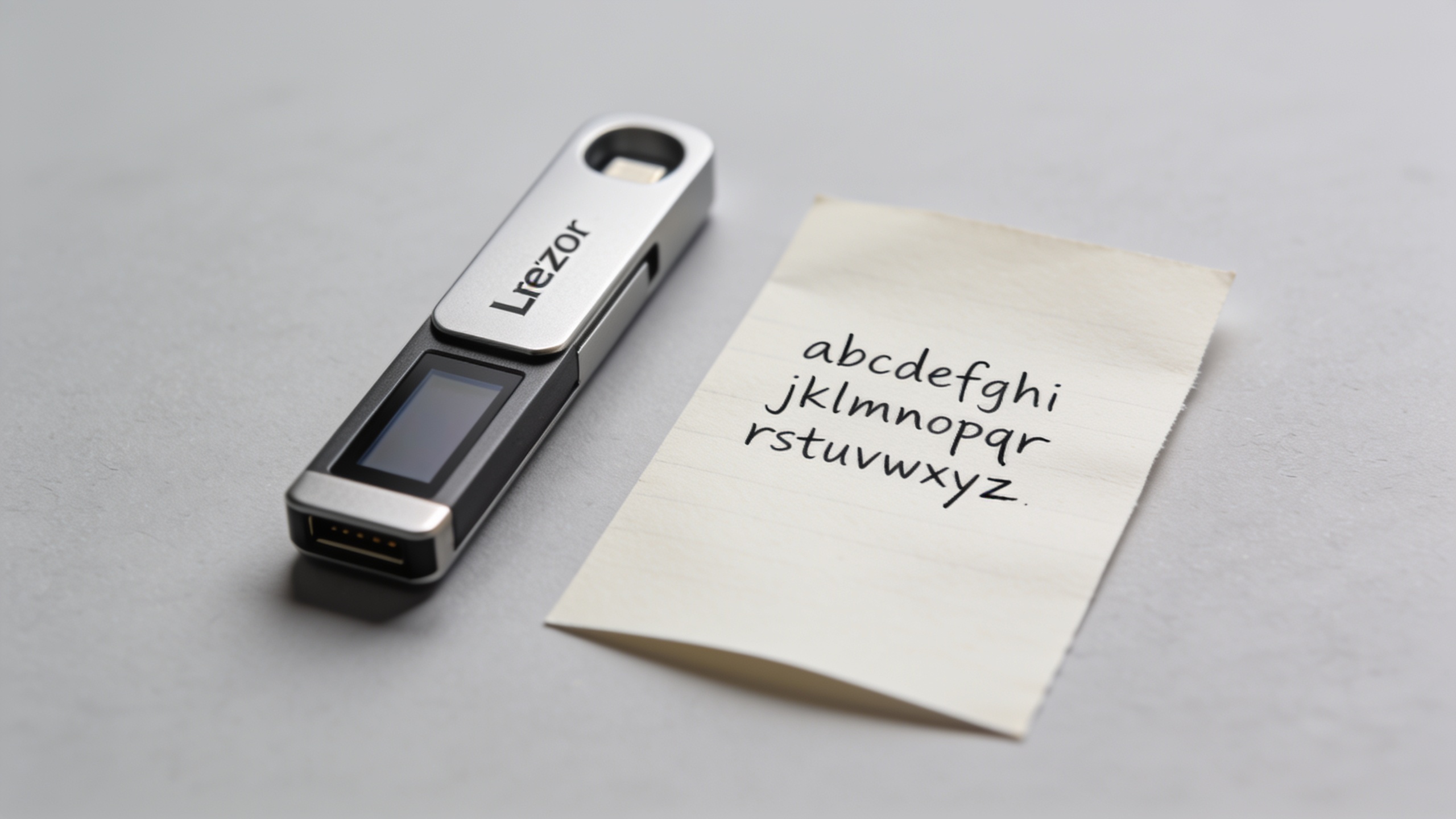
Whatever you go with, understand this. The seed phrase, that string of words that can rebuild your entire wallet, is what the attacker is really after. Whoever has your seed phrase owns your money, full stop, whether or not they ever lay a finger on your physical device. So never type it into a website. Never photograph it. Never drop it in Notes or Google Drive or wherever. Write it down, make at least one backup copy, and keep those copies in separate secure spots. I cannot stress this enough.
Tip 3: Recognize and Avoid Phishing and Social Engineering
Phishing is when a scammer pretends to be a legit service, exchange, or person to trick you into handing over credentials, approving a nasty transaction, or just sending them money outright. It's still one of the most common ways people lose crypto, and that's precisely because it goes after your judgment instead of your technology.
Phishing has gotten a lot slicker over the years. We're way past the obviously-fake email with the broken English. These days attackers run pixel-perfect clones of exchange login pages, buy Google ads that rank above the real site, and impersonate support staff in the Discord and Telegram groups for legit projects. One nasty flavor is the "approval drain," where you get tricked into signing a smart contract approval that quietly gives a malicious address permission to keep pulling tokens out of your wallet. Sometimes there's no obvious warning that anything's wrong until you notice your balance draining and it's already too late.
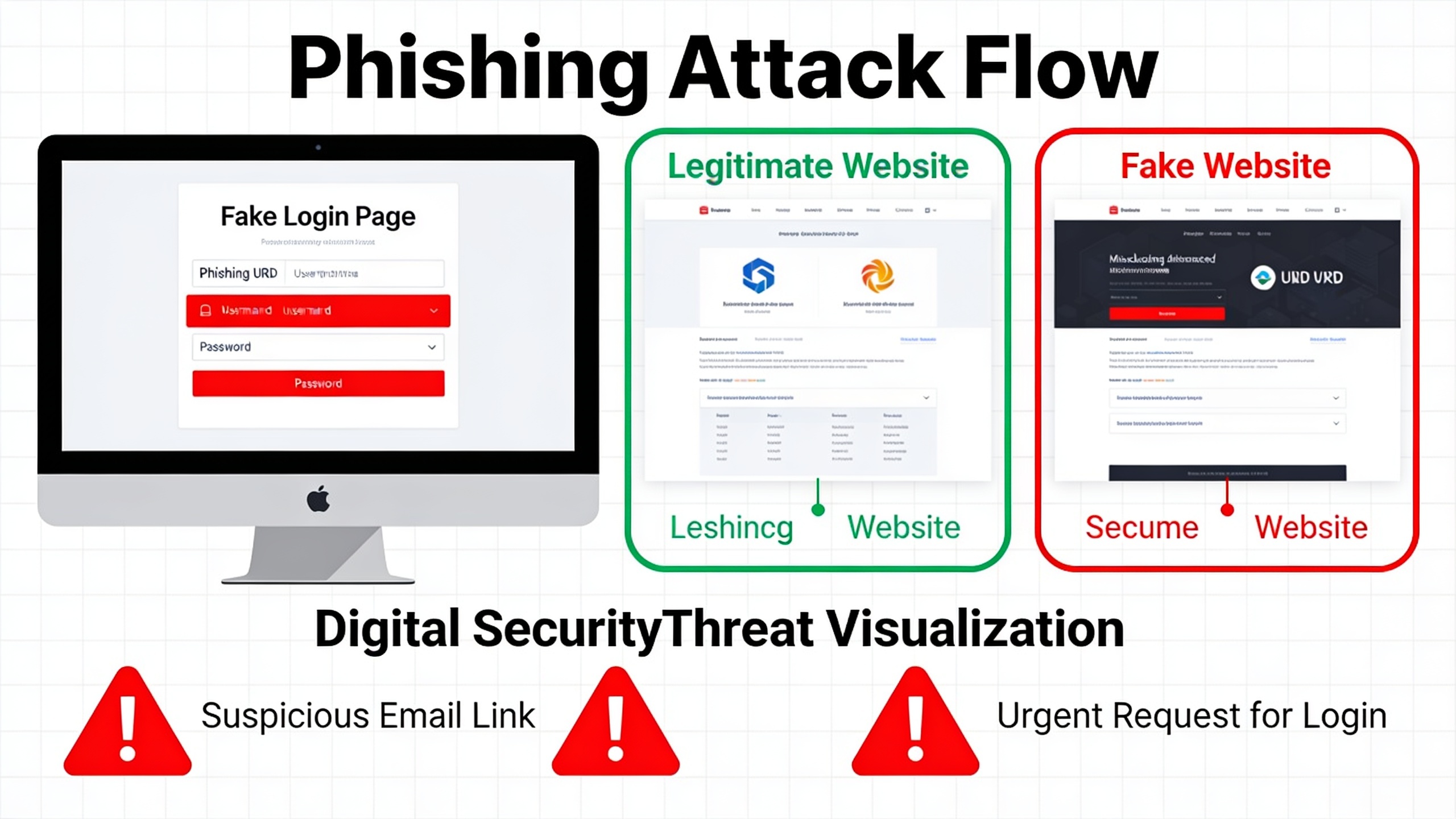
Then there's address poisoning, which is sneaky in a way I kind of grudgingly respect. An attacker sends you a tiny transaction from a wallet address they've specifically crafted to look almost identical to one you've dealt with before. The hope is that later on, you'll glance at your history, copy the wrong one, and send them your money. So verify the whole address before you send anything, not just the first four and last four characters. Better yet, save addresses in your wallet's address book instead of copying them out of your transaction history.
Good default assumption: no real exchange, wallet provider, or project team will ever ask you for your seed phrase, your private key, or some "verification transfer" of funds. Ever. If you're not sure whether a request is legit, or you're weighing a bigger financial decision involving your crypto and want a real second opinion, a platform like Advisorynavigator can connect you with an advisor who's actually dealt with this stuff before. That beats trusting whatever some anonymous stranger in a chat room is telling you. Getting solid guidance before you act, rather than after you've already signed something sketchy, is honestly one of the most underrated moves a newer investor can make.
Tip 4: Keep Your Software, Wallets, and Networks Clean
Keeping your devices, wallet software, and network connections updated and clean shuts the technical back doors hackers reach for when social engineering doesn't do the trick. This one's less exciting than talking about hardware wallets, I know. But it wipes out a huge chunk of the attack surface, so stick with me.
Start with updates. Wallet apps, browser extensions, operating systems, they all patch security holes regularly, and running old versions means leaving known holes wide open. And only download wallet software and extensions from official sources. There's a whole cottage industry of fake wallet apps in the app stores and counterfeit browser extensions that look just like the real ones, built for the sole purpose of snatching your seed phrase the second you type it in.
Public Wi-Fi is a quieter danger that people forget about. Logging into your exchange or approving a transaction on some unsecured coffee-shop network makes it easier for someone else on that network to snoop your traffic. If you have to manage your crypto away from home, use your own phone hotspot or a reputable VPN. Not the open network at Starbucks.
And crypto-specific malware is very real. Clipboard hijackers, for instance, watch what you copy and silently swap out a wallet address for the attacker's, so a transfer you think is heading to your own hardware wallet gets quietly rerouted. This is why you double-check a pasted address against the source before you hit confirm, every single time, especially for anything with real money attached.
Last thing: treat your browser extensions and connected apps like house keys. Revoke the access you're not using anymore. Most wallets let you review and yank smart contract approvals, and doing this every so often, particularly after you've messed around with some unfamiliar DeFi protocol, closes off exactly the kind of lingering permission that "approval drain" attacks feed on.
Tip 5: Diversify Custody and Plan for the Worst Case
Diversifying custody means not stashing all your crypto in one wallet, one exchange, or one storage method, so a single point of failure can't take down your whole portfolio in one shot. It's basic risk management borrowed straight from traditional finance, and it works just as well for digital assets.
In practice that might look like splitting things up: a hardware wallet for the long haul, a smaller hot wallet for active trading, and for whatever you keep on an exchange, a reputable one with strong 2FA and withdrawal allowlists. It also means thinking through what happens when a device gets lost, fried, or stolen. A hardware wallet's seed phrase backup, kept somewhere safe and separate from the device itself, is what lets you recover your funds even if the wallet goes up in a house fire, takes a swim in the toilet, or just vanishes into the couch cushions forever.
Estate and continuity planning is the piece almost everybody skips, and I get why. It's not fun to think about. But crypto has no customer service line and no automatic inheritance process, so if you're the only living soul who knows the seed phrase and something happens to you, that money is locked away permanently. Documenting, securely and carefully, how a family member or executor could eventually get to your holdings isn't morbid. It's just practical.
This whole plan-ahead mindset stretches way beyond crypto, by the way. Families juggling cross-border logistics, like folks arranging Super Visa Insurance in Calgary for parents or grandparents visiting Canada, already know how much easier life is when the right coverage and paperwork are sorted out before you desperately need them, not during the scramble afterward. Same deal with crypto custody. The safeguards that actually save you are the ones you set up calmly ahead of time, not the ones you're wishing you had in the middle of a crisis.
And custody diversification isn't only about hackers. It also caps your exposure to platform-specific meltdowns, like an exchange freezing withdrawals or a DeFi protocol getting exploited the way the one in our case study on a major DeFi protocol's recovery from a hack did. No single wallet or platform should ever hold money you genuinely can't afford to lose.
How Do Hot Wallets and Cold Wallets Compare for Security?
Hot wallets are convenient for frequent transactions but leave you more exposed to remote attacks, while cold wallets give you serious protection against hacking at the cost of everyday convenience. Most experienced people I know just use both, matching the storage to how the money's actually being used.
| Feature | Hot Wallet | Cold Wallet (Hardware) |
|---|---|---|
| Internet connectivity | Always connected | Offline except when signing a transaction |
| Best used for | Active trading, small balances | Long-term holdings, savings |
| Vulnerability to remote hacking | Higher | Very low |
| Vulnerability to physical loss/theft | Lower (recoverable via login) | Depends on physical security and seed phrase backup |
| Setup complexity | Low; app or exchange account | Moderate; requires purchasing and initializing a device |
| Transaction speed | Fast, immediate | Slightly slower, requires physical device confirmation |
| Ideal user | Traders needing frequent access | Long-term holders and investors |
This is basically why the "cold storage for savings, hot wallet for spending" split is gospel among people who take crypto security seriously. It parks the bulk of your money in the method least likely to get remotely hacked, while still leaving enough liquid for you to actually trade when you want to.
What Should You Do If You've Already Been Hacked?
If your crypto's already been stolen, your first job is to stop the bleeding by locking down whatever accounts are left, because an attacker who cracked one credential will almost always try that same login somewhere else. Change passwords on any linked email or financial accounts right now. Revoke API keys and smart contract approvals tied to the compromised wallet. And move any remaining funds to a brand-new wallet with a freshly generated seed phrase, because the old one is toast. Treat it as permanently burned.
Then document everything. Transaction hashes, the wallet addresses involved, timestamps, any messages from the attacker or the phishing site. Report the theft to the exchange if funds went through one, since some platforms can actually freeze assets if you flag them fast enough, before they get moved further down the chain. It's worth reporting to the relevant authorities too. Recovery is a long shot, I won't pretend otherwise, but aggregated reports help law enforcement and blockchain analytics firms trace where stolen funds flow.
And treat the whole mess as a trigger for a full security audit, not a one-and-done cleanup. Go through every device, wallet, and account connected to those compromised credentials, and rebuild the whole thing around better habits: the hardware-based 2FA and cold storage stuff we covered up top. If it's going to happen once, don't let it happen twice.
Wrapping Up
Securing your crypto isn't a one-time checkbox you tick and forget. It's an ongoing set of habits around authentication, storage, and a healthy suspicion of anyone who messages you out of nowhere. The five things here, strong 2FA, cold storage for the long-term stack, phishing awareness, clean software, and spreading your custody around, cover the overwhelming majority of ways regular investors actually get wiped out. None of it takes deep technical chops. It just takes consistency. And if you're running your own crypto-focused site and want to build a stronger security-education presence for your readers, a tool like RobinRank can automate a lot of the SEO content and outreach that keeps people informed on exactly this stuff. In the end, protecting your assets comes down to one idea: shrink the number of ways an attacker can reach your keys, and treat every tempting shortcut around that goal as a risk that just isn't worth it.
Frequently Asked Questions
Is it actually safe to leave my crypto on an exchange for the long term?
Keeping crypto on an exchange is generally riskier for long-term storage than self-custody in a hardware wallet, because those accounts stay online and make for big, centralized targets. Most investors keep only trading-sized balances on exchanges and move the rest into cold storage.
What's the difference between a private key and a seed phrase?
A private key is the specific cryptographic credential tied to one wallet address, while a seed phrase is a set of words that can regenerate an entire wallet's private keys. Lose or expose either one and an attacker gets full control of your funds, which is exactly why both need to stay offline and never get shared.
Do I really need a hardware wallet if I only hold a small amount?
If losing the money would sting, then yes, even small holdings are worth a hardware wallet. Hackers don't care about your portfolio size, and they'll often target smaller holders precisely because they figure those people are running weaker security. The cost of a hardware wallet is pretty modest next to what it protects for most active investors.
Can hackers just get around two-factor authentication?
SMS-based 2FA can be beaten through SIM-swap attacks, but authenticator apps and hardware security keys are far tougher to crack because they don't lean on the mobile network at all. Using the strongest 2FA method your platform offers is still one of the most effective moves you can make.
What should I check before using a new DeFi protocol or wallet app?
Before connecting your wallet to anything new, confirm you're on the official website, check whether the smart contracts have been publicly audited, and read exactly what permissions you're granting before you sign any approval. Revoking unused approvals afterward limits your exposure if that protocol gets compromised later, similar to the DeFi exploit we dug into in our case study on protocol recovery after a major hack.