Best Bitcoin ASIC Miners 2025: Which Rig Delivers Top ROI?
Let me save you some heartache right up front: the "best" Bitcoin ASIC miner in 2025 has almost nothing to do with which machine has the biggest hash rate number on its spec sheet. I've watched...

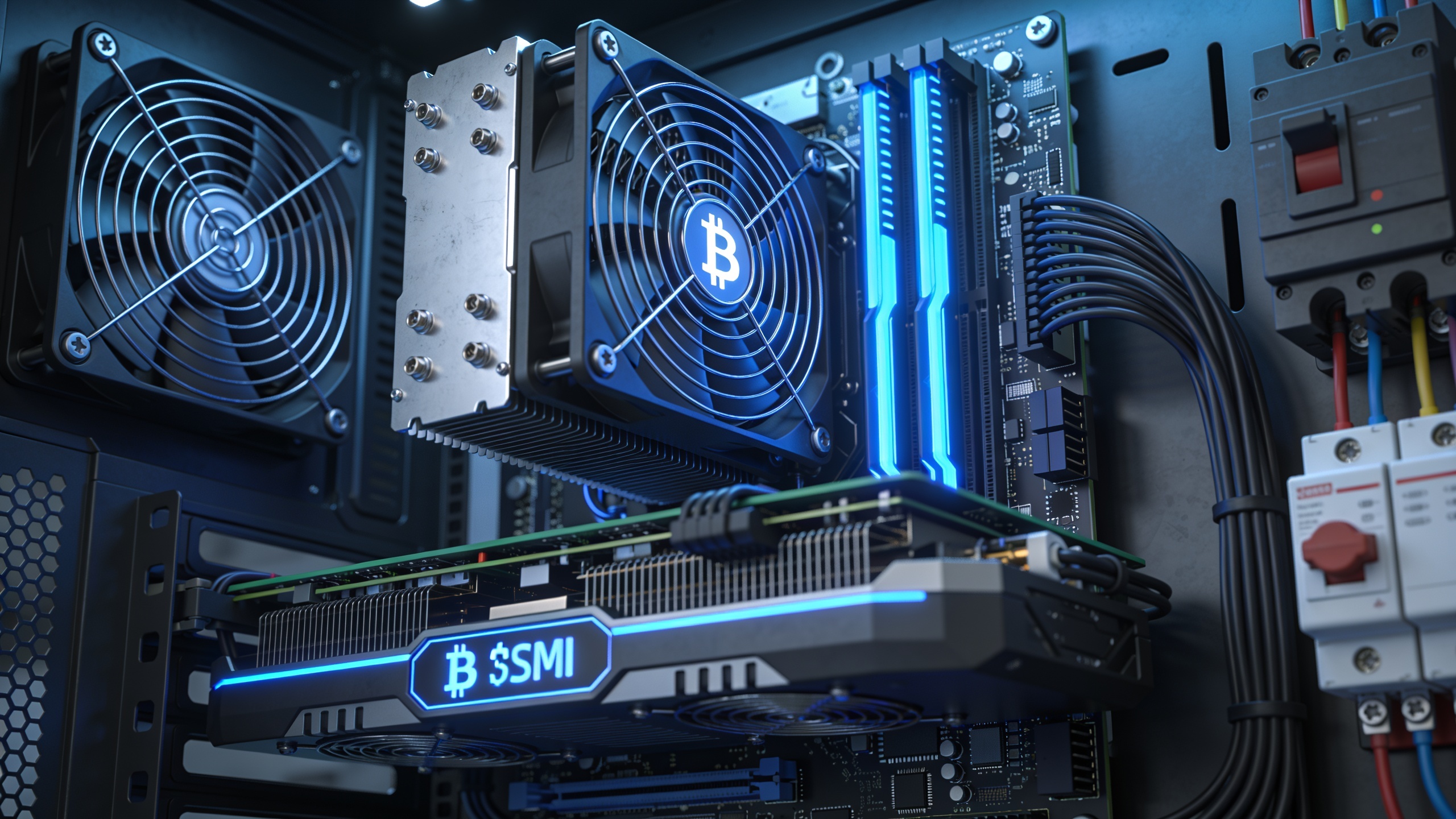
Let me save you some heartache right up front: the "best" Bitcoin ASIC miner in 2025 has almost nothing to do with which machine has the biggest hash rate number on its spec sheet. I've watched people drop five figures on a shiny flagship rig, get it home, and then do the math on their electricity bill and realize they just bought an expensive space heater.
Mining ROI is a math problem. A boring one, honestly, but a math problem that actually decides whether you make money. It ties together what you paid for the hardware, what you pay for power, how hard the network is to mine right now, and where Bitcoin's price sits the day you plug in. This guide walks through how to actually evaluate a miner, what really drives the return, and how to build your own break-even model instead of swallowing the numbers a manufacturer's marketing team cooked up (numbers that go stale in about a week, by the way).
And that's the whole reason I'm not going to quote you specific prices and hash rates for individual models. ASIC pricing, firmware, efficiency claims, all of it moves constantly as new batches ship. So this is about the framework the pros actually use. When a specific number matters, I'll tell you exactly where to go verify it before you spend a dime.
Table of Contents
- What Is a Bitcoin ASIC Miner, and Why Does It Matter in 2025?
- How Do You Build a Crypto Mining Hardware Comparison That Actually Predicts ROI?
- Which Bitcoin ASIC Miners 2025 Manufacturers Dominate the Market?
- Which Rig Delivers the Best Mining Rig ROI in 2025?
- How Much Does It Cost to Start Bitcoin Mining in 2025?
- Should You Mine Bitcoin or Get Exposure Another Way?
- Environmental and Efficiency Considerations for 2025 Miners
- FAQ: Bitcoin ASIC Miners 2025
What Is a Bitcoin ASIC Miner, and Why Does It Matter in 2025? {#what-is}
A Bitcoin ASIC miner is a computer built around a chip that does exactly one thing: run the SHA-256 hashing algorithm as fast and as cheaply (electricity-wise) as physically possible. That's it. That's the whole job. Unlike a graphics card you could repurpose for gaming or video editing when you get bored, an ASIC is a one-trick pony. Once you buy it, its only reason to exist is competing to validate Bitcoin blocks and grab the rewards and fees.
Why does this matter more now than it did a few years ago? Because the economics got tighter. Mean, actually. In April 2024 the block subsidy got cut in half, dropping the reward miners split from 6.25 BTC to 3.125 BTC per block. That one event permanently chopped the revenue side of every miner's equation. And when your revenue shrinks, the efficiency side, how much hash rate you squeeze out of each watt, suddenly carries a lot more weight. A rig that printed money before a halving can quietly turn into a loss the day after if its power efficiency can't keep up with newer silicon.
So "best" isn't a fixed label. It's a moving target defined by three things happening at the same time: your electricity rate, the current network difficulty (which readjusts roughly every two weeks based on how much total hash power is fighting for blocks), and Bitcoin's spot price. A machine that's the obvious best buy for somebody paying four cents a kilowatt-hour out in some stranded-energy corner of nowhere can be a terrible buy for a guy paying retail residential rates in the suburbs. Same machine. Opposite verdict.
How Do You Build a Crypto Mining Hardware Comparison That Actually Predicts ROI? {#comparison}
Rank machines by dollars of profit per day, not by raw hash rate. That's the one-sentence version. A unit with a monster hash rate but lousy efficiency can burn through cash faster than a smaller, tidier machine sitting right next to it. The comparison needs five inputs, and if you skip even one, your answer is garbage.
The five that actually matter: hash rate (measured in terahashes per second, TH/s, basically the raw horsepower), power efficiency (joules per terahash, J/TH, where lower is better and this is the one everyone underrates), your upfront capital cost (unit price plus shipping, import duties, and any power supply sold separately, which sneaks up on people), your all-in electricity cost (your real delivered rate per kWh, including demand charges, hosting fees, cooling overhead, all of it), and finally the network difficulty trajectory, which quietly shrinks your slice of the rewards over time as more global hash power comes online, whether you do anything or not.
Why efficiency usually beats hash rate
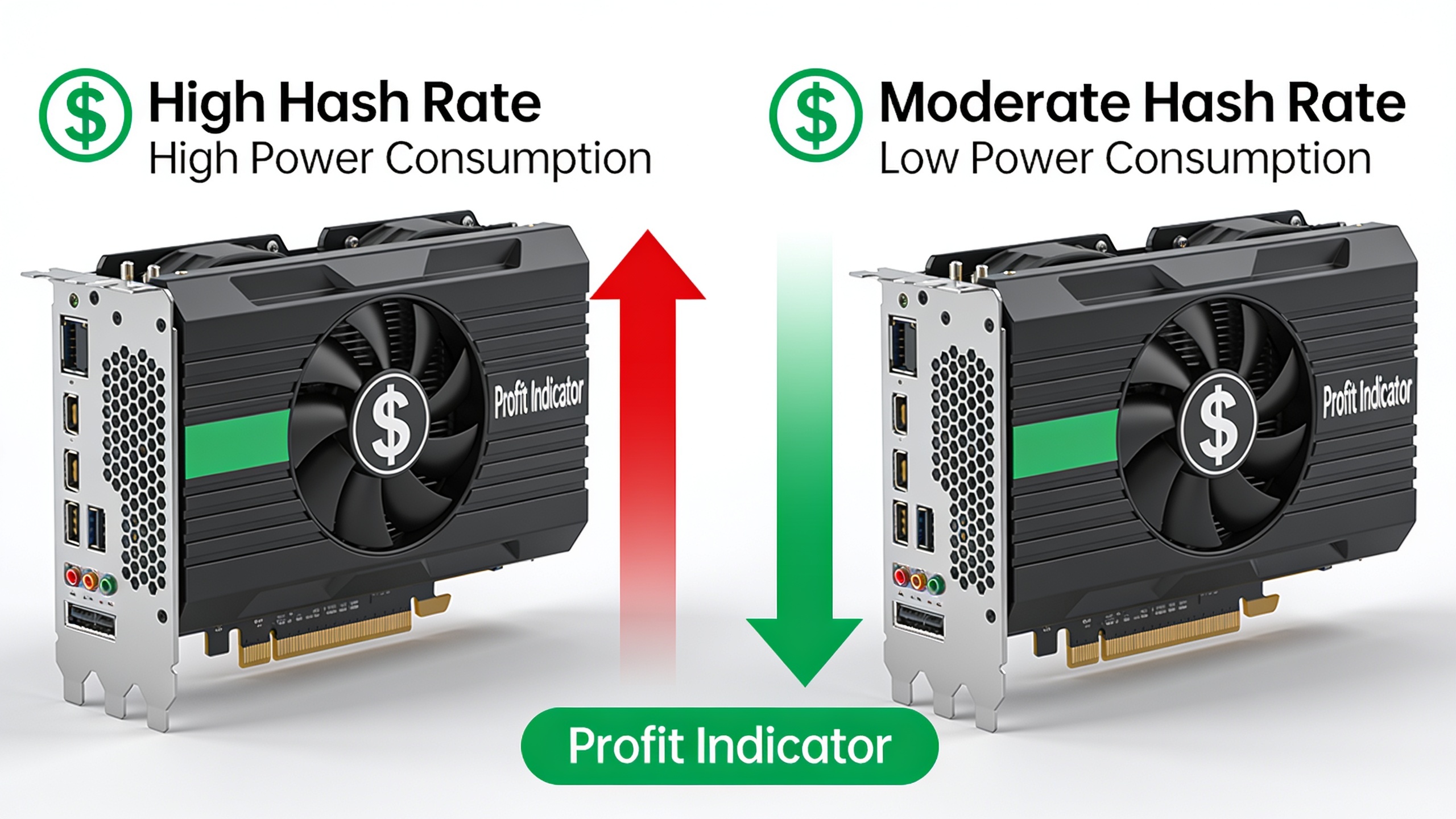
Here's the part people get wrong. Two machines can show basically identical daily revenue at today's difficulty and price. But the one with better J/TH stays profitable longer as difficulty climbs, because its electricity cost per unit of hash rate is just lower. That's the whole reason serious operations obsess over efficiency instead of chasing the biggest hash number, especially anywhere electricity (not hardware) is the biggest recurring cost. Which is most places, frankly.
A break-even framework you can run on any listing
Instead of quoting figures that'll be dead by the time you read this, here's the formula. Run it against the manufacturer's current listed specs before you buy anything:
- Daily revenue estimate = (your hash rate share ÷ total network hash rate) × blocks per day × block reward, converted to USD at the current BTC price, then split according to your mining pool's fee structure.
- Daily electricity cost = the machine's rated power draw in kW × 24 hours × your cost per kWh.
- Daily profit = daily revenue estimate − daily electricity cost.
- Break-even period = upfront hardware cost ÷ daily profit.
Run this with the manufacturer's current listed hash rate and power draw (not last year's spec sheet, please), your actual electricity invoice rate, and a mining profitability calculator that pulls live network difficulty. That output is the only ROI number I'd trust, because it's built from your real inputs instead of some brochure's fantasy scenario.
Which Bitcoin ASIC Miners 2025 Manufacturers Dominate the Market? {#manufacturers}
Three companies run this market and have for several cycles now: Bitmain, MicroBT, and Canaan. Their current lineups (Bitmain's Antminer, MicroBT's Whatsminer, Canaan's Avalon) are what most of the big miners and hosting facilities are eyeballing in 2025. Each one drops new generations on a rolling basis, and the pattern is almost always about improving efficiency (lower J/TH) rather than just cranking up raw hash rate.
Now, I'm deliberately not quoting specific model numbers, hash rates, or prices, because they move too fast to be useful. New batches ship at different price points, older inventory gets discounted, firmware updates change effective efficiency. Any number you see stapled to a specific ASIC should be checked straight against that manufacturer's current product page or an authorized reseller's listing at the moment you're buying. A figure that was dead accurate three weeks ago can be stale today.
What you can reliably compare across all of them, without needing model-specific numbers, is the trade-off pattern. And that pattern doesn't really change:
| Consideration | Newest-generation flagship units | Previous-generation units |
|---|---|---|
| Upfront cost | Typically higher | Typically lower, especially on secondary markets |
| Power efficiency (J/TH) | Generally improved over prior generations | Generally less efficient, raising electricity cost per TH |
| Availability | Often limited or pre-order only at launch | Wider availability, more competitive pricing |
| Resale value trajectory | Depreciates as newer generations launch | Already depreciated; less further downside from obsolescence risk |
| Best suited for | Miners with low, stable electricity costs and long time horizons | Miners with very cheap or stranded electricity where efficiency matters less |
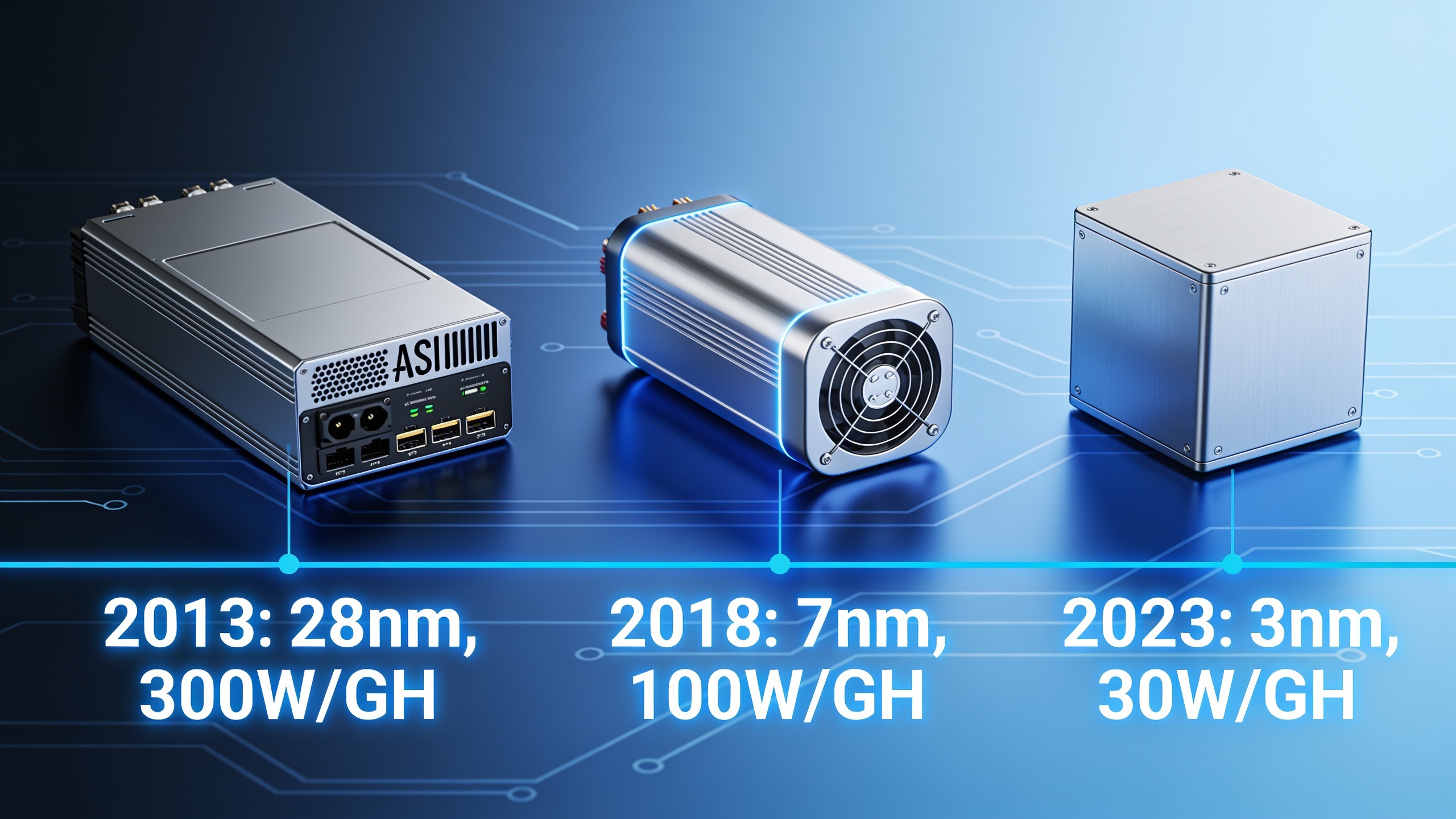
This holds no matter which model numbers happen to be current when you read this. Efficiency improves generation over generation, and the real decision is always the same: pay more upfront for lower running costs, or pay less upfront and eat higher electricity draw. That's the fork in the road every single miner faces.
Which Rig Delivers the Best Mining Rig ROI in 2025? {#roi}
There's no single machine that wins ROI for everybody, because your return depends on your electricity cost at least as much as the hardware. The exact same unit can pay itself back in under a year for one buyer and never break even for another. I know that's not the tidy answer decision-stage shoppers want. But it's the honest one, and it's actually the most useful, because it tells you exactly where to point your due diligence.
Electricity cost is usually the real deciding variable
Two people running the identical ASIC, bought at the identical price, can have wildly different ROI timelines for one reason: one pays industrial rates and the other pays residential. Facilities that lock in power contracts around $0.03 to $0.06 per kWh (common where there's excess hydro, natural gas, or stranded renewable capacity) have a structural head start over anyone paying typical US residential rates, no matter which unit they picked. So if you're shopping hosting providers or colocation deals, get the all-in delivered electricity rate in writing before you even start comparing hardware. Get it in writing. I can't stress that enough.
Newer hardware pays back faster only if you keep it running long enough
A pricier, more efficient flagship generally needs a longer runtime to earn back that higher sticker price, but it also tends to stay profitable longer as difficulty rises, since its cost-per-terahash stays competitive after older units go marginal. A cheaper, thirstier previous-gen unit can look like it pays back faster in the very short term if you snag it at a steep discount. But it's also first in line to become unprofitable if difficulty climbs or Bitcoin's price stalls, because its electricity cost per unit of output was higher to begin with. Short-term win, long-term risk. Pick your poison.
When you're comparing your shortlist, do this. Pull the current, dated spec sheet (hash rate and power draw) straight from the manufacturer or an authorized distributor for every model, and don't recycle numbers from old reviews. Run each one through the break-even formula above using your actual electricity rate, not some industry-average guess. Then stress-test it against a difficulty increase and a Bitcoin price drop, since both quietly gut your daily profit no matter how good the hardware is. If you're mining at home, factor in noise, heat, and space too, because those can shove you into hosting fees that were never in your original budget. And treat any "days to break even" number on a retailer's site as best-case marketing built on today's difficulty and price. Not a promise.
How Much Does It Cost to Start Bitcoin Mining in 2025? {#cost}
Starting Bitcoin mining in 2025 means budgeting for a lot more than the ASIC itself: hardware, electrical infrastructure, cooling or hosting fees, and pool costs all eat into your real starting capital. Skipping any of these is the single most common reason first-timers blow their break-even estimate.
On the hardware and infrastructure side, home miners often need dedicated 240-volt circuits, real ventilation or dedicated cooling, and some kind of noise mitigation, because most ASICs run their cooling fans flat-out, constantly, and they are loud. Louder than you're imagining. Anyone who doesn't want to live with a jet engine in the garage increasingly pays for colocation or hosting, where a data center runs and cools the machine for a monthly fee plus electricity. That shifts your capital costs around, but it adds a recurring bill you absolutely have to bake into the ROI math.
Then there are pool fees. Almost nobody has enough hash rate to solo-mine a block, so essentially everyone joins a mining pool, which combines hash power from a bunch of participants and splits the rewards proportionally, minus a small percentage fee. Subtract that fee from your daily revenue estimate in the formula above. Don't forget it.
And the halving keeps casting a long shadow over all of this. Because April 2024 cut the subsidy to 3.125 BTC, every miner today is fighting over a smaller fixed reward pool than existed before, with transaction fees making up the rest of block revenue on a variable basis. That structural shift is a huge part of why efficiency (J/TH) has taken over as the dominant buying criterion in 2025 instead of raw hash rate. The reward pie got smaller, so the cost side of your equation just matters proportionally more.
Should You Mine Bitcoin or Get Exposure Another Way? {#alternatives}
Mining isn't the only way to get exposure to Bitcoin's price, and honestly, for a lot of people it isn't even the smartest one, because mining is an actual ongoing operation to manage. Buying and holding the coin isn't. So if your real goal is portfolio exposure to Bitcoin rather than genuinely participating in network security and block rewards, it's worth comparing mining against the alternatives before you sink capital into a machine.
This is a genuinely different question than the one most crypto investors wrestle with when they're deciding between buying spot Bitcoin, holding it in a wallet, or getting it through a regulated fund. If you're chewing on those options, Crypto ETF Investing vs Direct Coin Ownership: Which Suits You? walks through the trade-offs around custody, fees, and control. Worth a read before you convince yourself mining hardware is the right vehicle at all.
Mining makes the most sense as an investment when three things line up: you've got access to genuinely cheap, reliable electricity, you have the technical chops to run and maintain the hardware (or a hosting partner you actually trust), and you've got a long enough time horizon to ride out difficulty increases and price swings. Miss even one of those, and direct ownership or a fund-based approach probably gets you comparable Bitcoin exposure with a fraction of the hassle and none of the equipment-depreciation risk.
Environmental and Efficiency Considerations for 2025 Miners {#environment}
Your energy source and your hardware efficiency, together, decide an operation's environmental footprint, and both have climbed up the priority list in 2025 as buyers weigh reputational, regulatory, and cost pressure around where their power comes from. A more efficient chip (lower J/TH) does double duty: it improves your ROI and it directly cuts the electricity burned per unit of hash rate, which is the main driver of mining's carbon footprint when that power comes from fossil fuels.
And because some jurisdictions and utilities now dangle preferential rates or interconnection priority for operations running on renewable or curtailed energy, pairing efficient hardware with a genuinely low-carbon power source can improve your ROI and shrink your future regulatory risk at the same time. Nice when incentives actually align for once. For a deeper dig into how the industry is handling this shift, including renewable sourcing, more efficient hardware generations, and emissions accounting, take a look at Green Crypto Mining: Cutting Bitcoin's Carbon Footprint in 2025, which covers the broader trend with more room than I've got here.
FAQ: Bitcoin ASIC Miners 2025 {#faq}
So what's the single most profitable Bitcoin ASIC miner in 2025?
There isn't one universal answer, and anyone who gives you one is selling something. Profitability hinges on your specific electricity rate, the machine's current price (which shifts with the market), and network difficulty when you actually run it. Pull the current specs for any model you're considering straight from the manufacturer, run them through the break-even formula above with your electricity rate, and skip the fixed "best miner" rankings that'll be outdated within months anyway.
How long does it usually take to break even on an ASIC miner?
It varies enormously based on electricity cost, purchase price, Bitcoin's price, and where difficulty is trending, so there's no industry-standard number that applies to everyone. Calculating your own break-even with the formula above, using your real electricity rate and the machine's current, verified specs, is the only reliable way to estimate it for your situation.
Is home mining still viable in 2025, or is it strictly an industrial thing now?
Home mining is still technically possible, but it's fighting uphill against industrial operations that lock in cheaper bulk electricity and better hardware pricing. Whether it works for you comes down mostly to your residential electricity rate versus the industrial rates in your region. That gap is usually the deciding factor, way more than which machine you pick.
Do I actually need a mining pool, or can I go solo?
Nearly all individual and small-scale miners join a pool, because solo mining with a single ASIC's hash rate makes finding a block, and therefore earning anything, statistically almost hopeless. Pools combine everyone's hash power and split rewards proportionally for a small fee, which, again, you should factor into your ROI math.
How did the 2024 halving change ASIC mining profitability heading into 2025?
The April 2024 halving cut Bitcoin's block subsidy from 6.25 BTC to 3.125 BTC, permanently shrinking the fixed reward miners fight over and putting more pressure on transaction fees and hardware efficiency as the ways to stay profitable. That's a big reason efficiency (J/TH) has overtaken raw hash rate as the criterion that matters most for buyers in 2025.
---
Bottom line: picking the best Bitcoin ASIC miner in 2025 comes down to running your own numbers, not trusting a headline ranking, because electricity cost, current hardware pricing, and network difficulty keep changing the answer depending on who's asking. Use the break-even framework above with verified, current specs from the manufacturer, and you'll get a far more honest read on your ROI than any generic "top miner" list will ever hand you.