Crypto Insurance Compared: Protecting Your Digital Assets
Crypto insurance is coverage that reimburses investors, exchanges, or DeFi protocols when digital assets get lost to a hack, an exploit, a custodial screwup, or plain old theft. And ever since the...

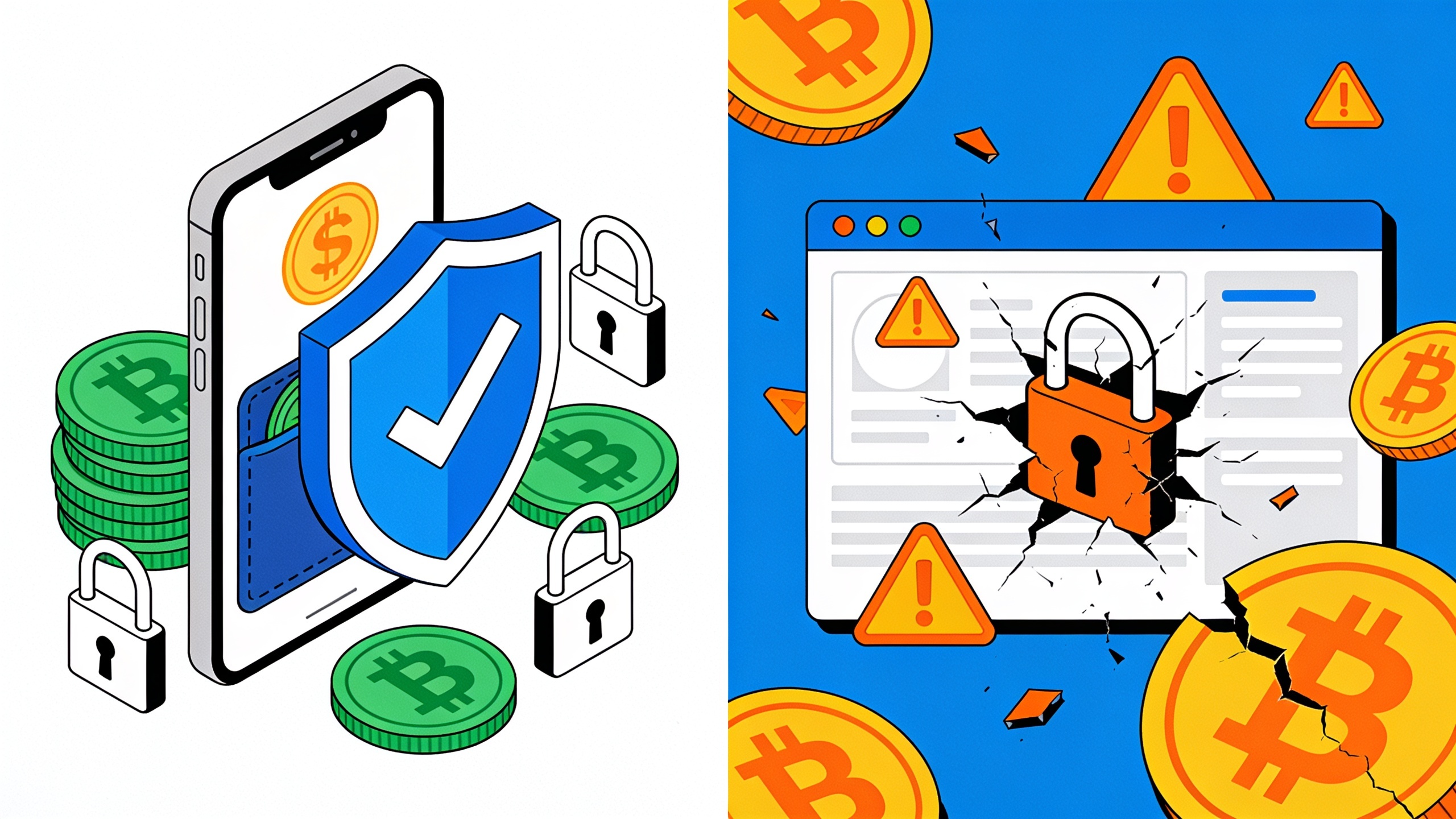
Crypto insurance is coverage that reimburses investors, exchanges, or DeFi protocols when digital assets get lost to a hack, an exploit, a custodial screwup, or plain old theft. And ever since the first big exchange got drained, holders have been asking the same nervous question: if this all goes sideways, is anybody actually going to pay me back?
The honest answer is a shrug. It depends. What we call "crypto insurance" today is really a messy patchwork of traditional underwriters, specialty managing general agents, and these decentralized, member-funded protocols that live on-chain. Every one of them has a different appetite for risk, a different bar for approving claims, and a wildly different idea of what even counts as a "covered event." So I want to walk through how this stuff actually works, how the on-chain DeFi protocols stack up against the old-school players, and what you should realistically expect if you ever have to file a claim. (Spoiler: probably less than you'd hope.)
Table of Contents
- What Is Crypto Insurance?
- How Does Crypto Insurance Work?
- Types of Crypto Insurance Coverage
- DeFi Insurance Protocols: Peer-to-Peer Coverage Models
- What Do Crypto Insurance Policies Typically Cover — and Exclude?
- How Much Does Crypto Insurance Cost?
- Filing a Claim: What the Process Usually Looks Like
- Choosing the Right Protection Strategy
- FAQ
What Is Crypto Insurance?
Crypto insurance is a financial product that pays you compensation when your digital assets vanish because of a defined covered event, a hack, an exchange going belly-up, a stolen private key, a smart contract exploit, that kind of thing. It shows up in two broad flavors. There's the traditional version, underwritten by actual licensed carriers (sometimes through the Lloyd's of London market or specialty insurers), and there's decentralized cover written through DeFi protocols, where a pool of capital funded by members or liquidity providers foots the bill instead of a regulated insurance company.
Here's what makes it weird, though. Unlike your homeowner's or auto policy, crypto insurance doesn't have a hundred years of actuarial data sitting behind it. Underwriters are basically trying to price a young, hyperactive asset class where the attack surface keeps mutating. Smart contract bugs, bridge exploits, oracle manipulation, key compromise. It's a moving target. That's a big reason coverage is so inconsistent, why the exclusions run so wide, and why a huge chunk of retail investors are, whether they realize it or not, just self-insured.
How Does Crypto Insurance Work?
Crypto insurance works like any other specialty insurance: you pay a premium, and in return you get a promise of compensation if a specific defined loss happens, subject to limits, deductibles, and exclusions. The twist in crypto is who's underwriting the risk and how the loss actually gets verified.
In the traditional setup, an exchange, custodian, or big institutional holder buys a policy from a licensed insurer or a syndicate. Before they'll agree to a limit and a premium, the insurer pokes around the applicant's security practices, cold storage ratios, multi-sig setups, penetration testing, insider-threat controls. Then if something goes wrong, they investigate the way any insurer would: incident reports, forensic audits, documentation of exactly what happened.
The decentralized model is a whole different animal. A DeFi insurance protocol lets you buy cover directly against a particular smart contract or protocol blowing up. There's no insurance company sizing up the risk from the inside. Instead, capital providers (you'll hear them called stakers or mutual members) put their own funds into a shared pool and effectively underwrite the risk themselves. If a covered exploit happens and a claim gets approved, and approval usually comes down to a community or committee vote rather than a licensed adjuster, the payout comes out of that pool. It's a genuinely different way of transferring risk than a regulated insurance contract, and it drags along its own baggage around governance, whether there's enough capital in the pool, and what happens when people disagree about a claim.
Types of Crypto Insurance Coverage
Crypto insurance generally lands in one of three buckets: custodial and crime insurance that centralized platforms hold, institutional-grade specialty policies for funds and custodians, and on-chain DeFi cover that individual users buy for themselves. Each one protects a different layer of the stack.
Custodial and Crime Insurance
Some centralized exchanges and custodians will tell you they carry crime insurance covering a slice of the digital assets sitting in hot wallets or custodial infrastructure. The platform negotiates these policies, not you, and here's the catch, the actual insurer, the coverage limits, and the exclusions usually aren't spelled out publicly in any real detail. Why does that matter? Because as an individual account holder, you're almost never a named party on the policy. You're just trusting that the platform bought enough coverage and that they'll actually pay out proportionally if they get breached. That's a lot of trust.
Institutional and Specialty Policies
Institutional custodians, funds, and miners are increasingly hunting for specialty insurance through managing general agents or syndicates that focus specifically on digital asset risk. These policies look a lot more like traditional commercial crime or professional indemnity coverage, and they demand things like security audits, proof-of-reserves practices, and sometimes third-party custody arrangements before the insurer will even write the policy. This corner of the market has grown right alongside institutional money flowing into crypto. But underwriting capacity is still thin compared to traditional asset classes, which keeps premiums stubbornly high and total available coverage capped.
On-Chain DeFi Cover
This is coverage you buy directly against smart contract risk, usually for one protocol or a defined list of them, through a decentralized insurance platform. It's the category that matters most if you're an active DeFi user, the yield farmers, the LPs, the lenders, because it targets the exact thing you're exposed to: code breaking, not somebody raiding a custodial vault.
DeFi Insurance Protocols: Peer-to-Peer Coverage Models
DeFi insurance protocols are decentralized platforms where users pool capital to underwrite smart contract and protocol risk, and members (or elected assessors) vote on whether a submitted claim actually meets the coverage criteria. Nexus Mutual is the one most people point to. It runs as a discretionary mutual where members chip in capital to a shared pool and get governance rights to assess and approve claims against specific covered protocols, no traditional licensed insurer anywhere in sight.

I'll be fair, this peer-to-peer setup has real upsides. Cover can get issued fast against brand-new protocols that a traditional insurer wouldn't touch with a ten-foot pole, and the terms are transparent and sitting right there on-chain. But it also introduces problems that just don't exist with a regulated policy. Claims decisions can get swayed by the voting incentives of the assessors instead of some strictly codified legal standard. Capital pools can get squeezed dry if several big claims land at the same time. And since these protocols aren't regulated insurers in most places, you don't get the consumer protections, like state insurance guaranty funds, that quietly backstop a traditional policy.
For DeFi-native folks, that tradeoff is often worth making, mostly because it's frequently the only coverage that even exists for the specific protocol or vault they're using. But if you're still deciding whether to hold coins directly at all versus getting exposure through a regulated product, it's worth reading our comparison of crypto ETF investing versus direct coin ownership, because the insurance question changes completely depending on which road you take. A regulated ETF wrapper shoves custodial risk onto a regulated issuer. Direct ownership drops the whole insurance decision right in your lap.
What Do Crypto Insurance Policies Typically Cover — and Exclude?
Crypto insurance policies typically cover a pretty narrow list of events, theft from a hot wallet, unauthorized transfers from a hack, or, in DeFi cover's case, a verified smart contract exploit on a named protocol. What they exclude, though, is usually way longer than what they include. And honestly, the exclusions are where most of the heartbreak lives.
The stuff that tends to get carved out across both traditional and DeFi-native policies usually looks like this:
- Losses caused by your own negligence, like handing over a private key or falling for a phishing scam, as opposed to the platform or protocol itself failing.
- Market volatility and price loss. Insurance covers theft and exploits, not your coin just tanking in value.
- Regulatory or governmental seizure of assets.
- Losses from protocols or contracts that weren't specifically named on the policy, even if they look almost identical to one that was.
- Losses from a front-end or user-interface compromise instead of the underlying smart contract, depending entirely on how the policy defines a "covered protocol failure."
There's also a sneaky one: acts the insurer or mutual decides were foreseeable, or vulnerabilities the developer knew about and never bothered to patch. Because all of this varies so much from policy to policy and protocol to protocol, there's genuinely no shortcut here. You have to read the actual coverage document, whether that's a traditional policy wording or the smart contract terms of a DeFi mutual, before you assume your particular nightmare scenario is covered. I know, nobody reads the fine print. Read the fine print.
How Much Does Crypto Insurance Cost?
Crypto insurance premiums are usually priced as a percentage of the coverage amount, and they swing a lot depending on the risk profile of whatever's being insured, the platform, the custodian, the smart contract, rather than following some tidy industry-standard rate. Traditional custodial and crime policies for exchanges and institutional custodians get underwritten one at a time, with pricing shaped by things like cold storage ratios, audit history, and insurer capacity. Those figures rarely see the light of day publicly, which makes comparing premiums across providers a real headache for anyone on the outside.
On-chain DeFi cover is more upfront about its structure. Pricing for a specific protocol's coverage is often visible right there on the platform interface before you buy anything, and it moves around based on how risky that protocol seems and how much capital is currently sitting in the underwriting pool for it. A newer, gnarlier protocol, or one where demand outstrips the size of the cover pool, will generally cost you more than an established, heavily-audited one. It's the market pricing risk in real time instead of pulling numbers off a fixed actuarial table.
The practical takeaway? Crypto insurance, in either form, is priced a lot more like specialty or surplus-lines insurance than like a mainstream retail product such as your homeowner's policy. Capacity is limited across the whole industry, which keeps premiums comparatively high and coverage limits fairly modest against the total value at risk in the market.
| Coverage Type | Who Typically Buys It | What It Insures Against | Claims Process | Regulatory Status |
|---|---|---|---|---|
| Custodial/crime insurance | Exchanges, custodians (on behalf of users) | Theft from hot wallets, employee malfeasance | Insurer-led forensic investigation | Regulated insurer, terms often not public |
| Institutional specialty policy | Funds, miners, large custodians | Custody failure, crime, sometimes cold storage breach | Traditional underwriting claims process | Regulated, but limited market capacity |
| DeFi mutual cover (e.g., Nexus Mutual model) | Individual DeFi users, LPs | Named smart contract exploits | Member/assessor vote on submitted claim | Not a licensed insurer in most jurisdictions |
| Parametric/on-chain triggers | DeFi power users | Pre-defined on-chain events (e.g., depeg, exploit) | Automated or semi-automated payout | Varies by protocol, largely unregulated |
Filing a Claim: What the Process Usually Looks Like
Filing a crypto insurance claim usually starts with documenting the loss as obsessively as you can, transaction hashes, wallet addresses, timestamps, every scrap of communication with the platform involved. That's because the burden of proof lands on you, the claimant, not the insurer. From there, the road forks hard depending on whether you're dealing with a traditional insurer or a DeFi mutual.

With a traditional policy, once you report the loss, the insurer typically assigns it for investigation, which can mean third-party forensic firms confirming your loss actually matches a covered peril under the policy language. This looks a lot like a conventional commercial insurance claim, and it can drag on for weeks or months, especially with bigger claims or ones where the cause is disputed. Was it a covered external hack, or an excluded internal control failure? That argument alone can eat a lot of time.
DeFi protocols run it more out in the open, though not necessarily any faster. You submit evidence that a named protocol suffered the exact type of exploit the cover terms describe, and then members or designated assessors look it over and vote on whether it qualifies. Because this is community-governed instead of a contractual legal standard that regulators enforce, the outcomes can be less predictable. And there's usually no external appeals process, nothing like a state insurance regulator or an ombudsman you can escalate to when you feel wronged.
Either way, the single biggest thing that decides whether your claim succeeds is precise documentation captured the moment the loss happens. Not weeks later, when transaction histories and off-chain evidence get murky and hard to piece back together. Screenshot everything. Save everything.
Choosing the Right Protection Strategy
The right crypto insurance strategy has less to do with hunting down one magical "best" policy and more to do with layering protection that actually fits how you hold and use your assets. Someone parking long-term bags in cold storage is playing a completely different game than someone farming yield across five DeFi protocols at once, and their insurance needs should look nothing alike.
If you're a long-term holder, the more pressing gap often isn't insurance against a hack at all, it's making sure your assets are structured and documented so they don't just get lost to bad planning. That's a related but separate rabbit hole, and we get into it in our guide to crypto estate planning and protecting your digital inheritance. Because insurance only protects against theft or exploit. It does absolutely nothing if your heirs can't even find the keys.
For active DeFi participants, on-chain cover bought per-protocol usually beats a broad custodial policy, since the thing you're insuring, one specific contract failing, is narrow and protocol-specific by nature. And if you're leaning on a centralized exchange, the realistic play is to treat whatever crime insurance the platform claims to hold as a partial backstop, not a guarantee. Diversify your custody. Don't just assume a policy nobody will let you read is going to make you whole in a worst-case blowup.
Frequently Asked Questions
Is crypto insurance basically FDIC or SIPC protection for coins?
Nope. FDIC insurance covers bank deposits and SIPC covers certain brokerage assets in the US, and neither one touches cryptocurrency, whether it's on an exchange or in your own wallet. Crypto insurance, where it even exists, is a separate commercial or mutual policy the platform arranges or you buy yourself. It is not a government-backed guarantee, full stop.
Can regular retail investors buy their own crypto insurance policy?
Mostly, no, at least not the traditional kind. That custodial coverage is typically bought by the exchange or custodian, not by you. What you can do is buy cover directly through DeFi insurance protocols against specific smart contract risks tied to protocols you're actually using.
Does crypto insurance cover me if the price crashes?
No, and this trips people up constantly. Crypto insurance covers defined loss events like theft, hacks, or verified smart contract exploits. It doesn't cover market volatility or your coin simply nosediving in value. If your bag drops 80%, that's just the market, not a claim.
What happens if the DeFi insurance protocol's capital pool runs dry?
If claims blow past the capital available in a DeFi mutual's underwriting pool for a given protocol, payouts can get reduced, delayed, or flat-out denied, because these pools aren't backed by the same capital adequacy rules a licensed insurer has to follow. It's a huge structural difference from regulated insurance, and a very good reason to check a protocol's available capacity before you assume you'll get paid in full.
Do all exchanges tell you whether they carry crime insurance?
Not consistently, no. Some platforms disclose that they hold crime insurance covering a chunk of custodial holdings, but the specific insurer, the coverage limits, the exclusions, those aren't always made fully public. Which makes it genuinely hard to figure out how much protection you'd really see in a breach.
---
Crypto insurance has come a long way from the bad old days, when a hack just meant your money was gone and tough luck. But let's not kid ourselves, it's still a pretty full-of-holes safety net. Traditional policies give you more legal certainty but limited access and a frustrating lack of transparency around terms. DeFi protocols hand you transparency and fast access but carry their own governance and capital risks that can bite you at the worst possible moment. For most investors, the realistic move is to treat insurance, either kind, as just one layer in a bigger security strategy. Pair it with solid custody practices, spread your risk across protocols, and keep clear documentation of how everything's held. The insurance is the backstop, not the plan.