Crypto Whale Tracking: How Big Wallets Move Markets
Crypto whale tracking is basically watching the biggest wallets on a blockchain so you can see a price move coming before it hits the chart. And the reason it even works is kind of wild when you stop...

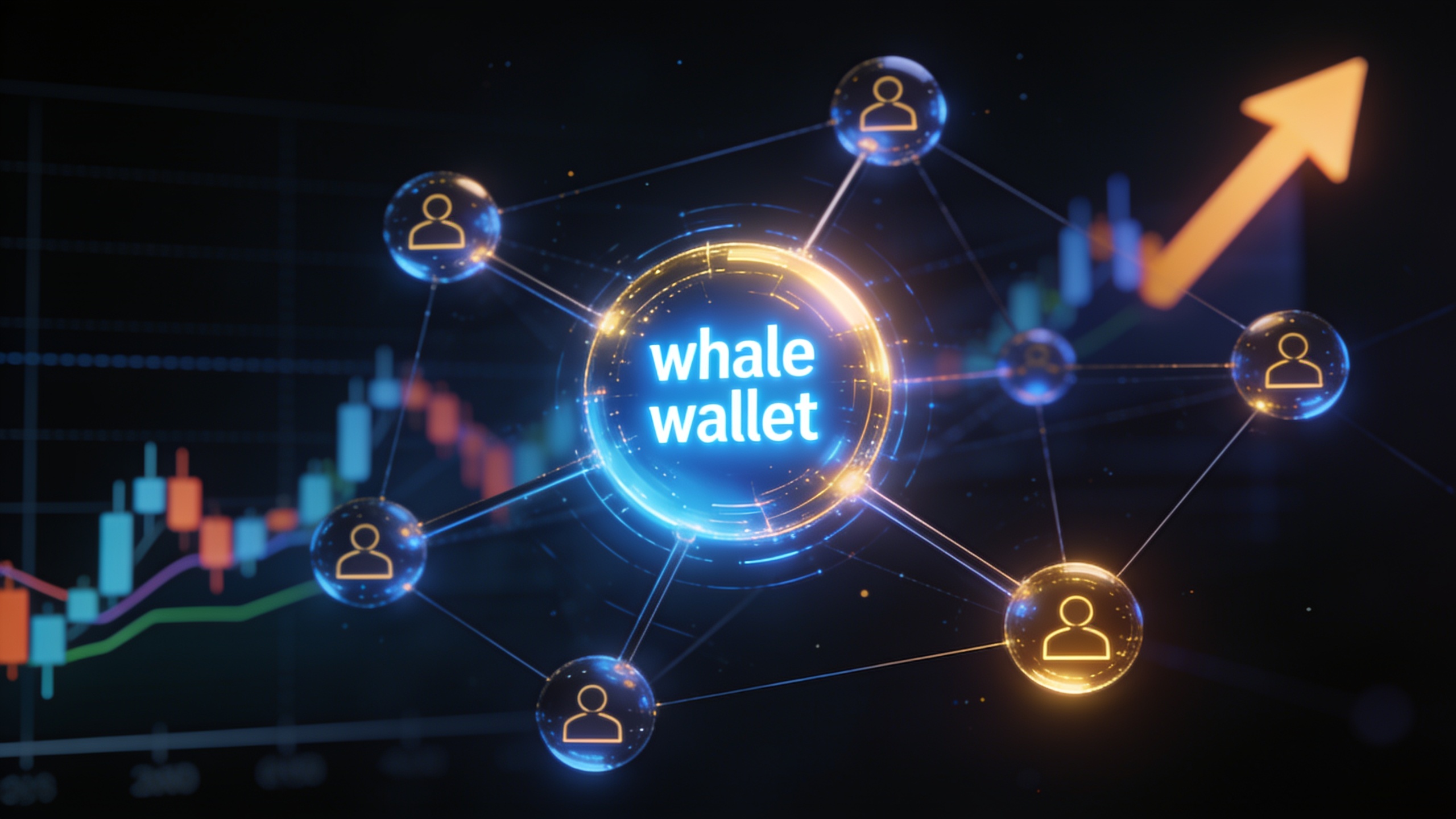
Crypto whale tracking is basically watching the biggest wallets on a blockchain so you can see a price move coming before it hits the chart. And the reason it even works is kind of wild when you stop to think about it: Bitcoin, Ethereum, and pretty much every major chain keep a permanent, public record of every single transaction. So a wallet sitting on thousands of BTC can't move a coin without everyone (well, everyone paying attention) being able to see it happen almost in real time.
For a regular retail trader, that's the whole appeal. You're either reacting to volatility after it's already smacked you, or you're catching the setup a little early. Whale watching lives entirely in that gap.
I want to walk through who these whales actually are (spoiler: often not who you think), how their trades ripple through order books that are thinner than most people realize, which tools let normal humans watch all this, and how to fold whale data into an actual process instead of panic-selling every time a bot tweets about a big transfer.
Table of Contents
- What Is Crypto Whale Tracking?
- Who Are Crypto Whales, Really?
- How Whale Wallet Movements Move Markets
- Best Ways to Track Whale Wallets
- Whale Tracking Tool Comparison
- How to Read Whale Signals Without Getting Faked Out
- Risks and Limitations of Whale Watching
- Frequently Asked Questions
What Is Crypto Whale Tracking?
Crypto whale tracking means using blockchain explorers, analytics dashboards, or alert bots to keep an eye on wallets holding unusually large balances of a given asset, and then watching what those wallets actually do. Since most major blockchains are public ledgers, every deposit, withdrawal, and transfer tied to a whale address is out there for anyone to see, even when nobody has a clue who's behind the wallet.
The whole thing started from one pretty obvious observation. Big holders don't trade in a vacuum. When a wallet holding tens of thousands of Bitcoin ships coins over to an exchange, that transfer is often the first step toward a sale, and a sale that size can swallow a real chunk of available liquidity, especially in the dead hours when volume is thin. Spot the transfer before the sale goes through and you've got a small window to adjust your own position. That window? That's the entire pitch behind whale watching.
And it's not just a Bitcoin and Ethereum thing. This applies to basically any token with a transparent ledger, newer Layer-1 chains, DeFi tokens, even NFT collections where a handful of wallets hoard a stupid share of the supply. Concentrated ownership means concentrated risk, and tracking that risk stopped being a nerdy side hobby a while ago. It's just part of serious market analysis now.
Who Are Crypto Whales, Really?
A crypto whale is usually defined as a wallet holding enough of a specific asset that its trades could plausibly nudge the price around. There's no official line in the sand. It shifts depending on the coin's total supply and liquidity, but analysts tend to slap the "whale" label on anything holding roughly 1,000 BTC or more, or the equivalent value in another asset.
Now here's where a lot of people trip up. Not every giant wallet belongs to some lone billionaire trader clicking sell. In reality they fall into a few overlapping buckets, and they don't behave the same way at all.
Exchange cold wallets hold customer deposits in bulk, so they're always sitting near the top of any rich list, even though that balance actually belongs to thousands of ordinary users rather than one whale. Then you've got institutional custodians, the folks serving hedge funds, ETFs, corporate treasuries, and their enormous balances move for structural reasons like rebalancing or client redemptions, not because someone's placing a speculative bet. Early miners and OG investors, especially in Bitcoin, are still sitting on coins they picked up for pocket change, and a lot of those wallets have been dead quiet for years. And finally, yes, there are the genuine high-net-worth traders and crypto-native funds actively moving their positions around. That last group is who everyone pictures when they hear "whale," but they're honestly a smaller slice of the pie than you'd guess.
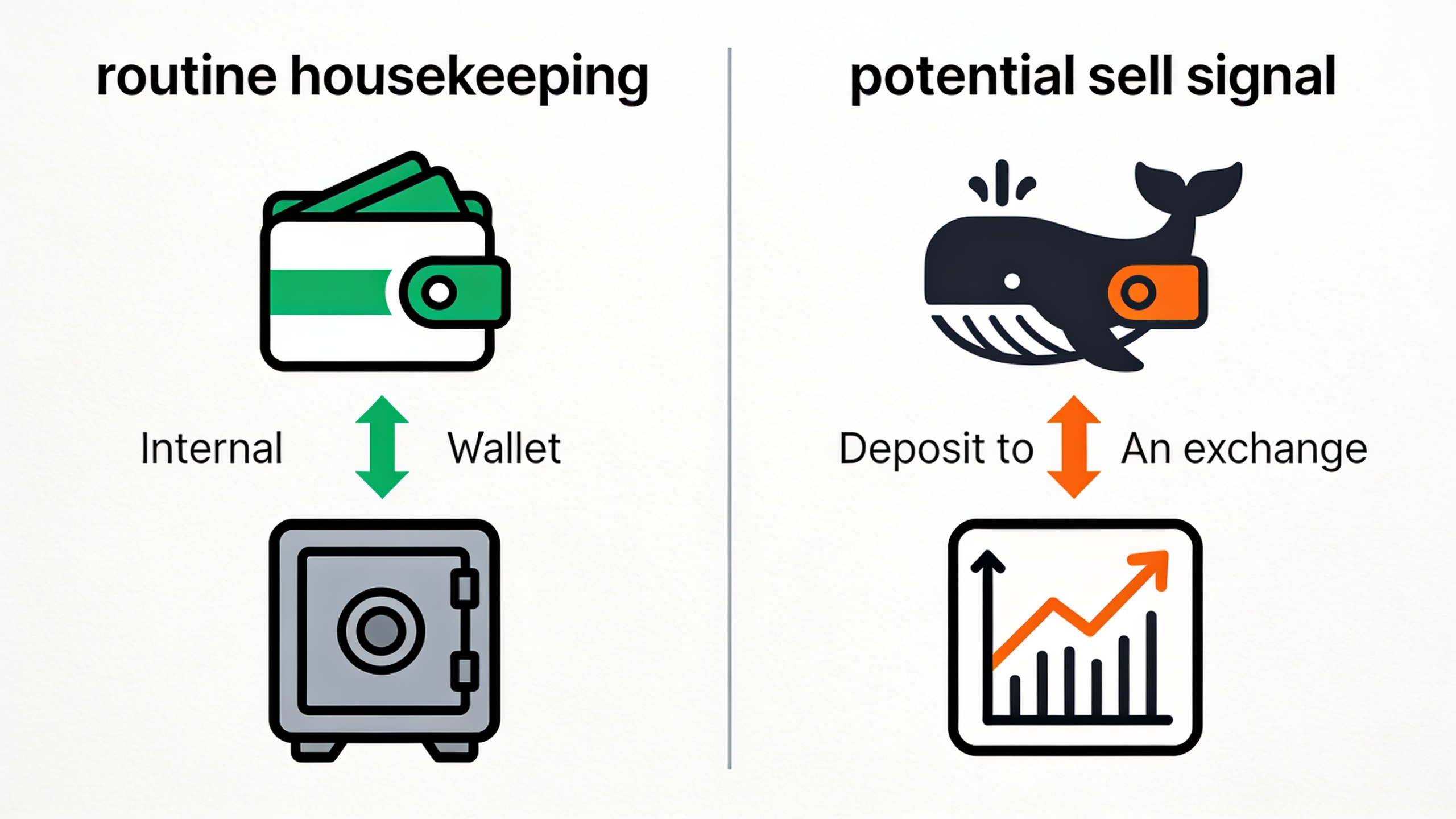
This distinction matters more than almost anything else in whale watching. An exchange wallet just shuffling funds between its own cold and hot storage looks completely identical, on-chain, to a whale gearing up to dump. Mistaking routine custodial housekeeping for a bearish signal is one of the most common rookie mistakes out there, and I've watched people scare themselves out of good positions over it.
How Whale Wallet Movements Move Markets
Whale wallet movements move markets mostly through liquidity shocks. When a big holder deposits a serious amount of a token onto an exchange, the market has to absorb that supply, and if buyers aren't there to meet it, price drops. Works the other way too. When whales pull coins off exchanges into cold storage, that reads as "I'm holding, not selling," which shrinks sell-side supply and can prop the price up.
The mechanics come down to order book depth, which is way shallower than most people assume. Outside of Bitcoin and Ethereum, most cryptocurrencies just don't have deep enough books to eat a multimillion-dollar sell order without ugly slippage. A whale selling into a thin book drags the price down as their order chews through each level, and that visible drop trips stop-losses and sparks panic selling from smaller holders. Which amplifies everything way past what the whale's original trade should've caused.
There's a psychological layer on top of all this, and honestly it might matter more than the mechanics these days. Whale alert bots on social media, the ones that auto-post whenever a big transfer lands, have turned whale watching into a public spectacle. A single tweet flagging a "$50 million BTC transfer to Binance" can spook retail into selling before any actual sale even happens. So the market ends up reacting to the possibility of a whale move rather than a confirmed one. That's a big reason volatility tends to spike around large, publicly flagged transfers no matter what the whale actually ends up doing.
Whale behavior also plays off the broader market during already-jittery stretches. Traders grinding through sharp swings usually lean on some kind of structured approach, and pairing whale data with the tactical framework in 5 Crypto Trading Strategies for Volatile Markets gives those big-transfer alerts context instead of leaving them as a standalone signal. A whale deposit during a sleepy, low-vol grind means something totally different than the exact same deposit dropping into a market that's already on edge.
Best Ways to Track Whale Wallets
The most reliable approach is to pair a blockchain explorer for raw verification with an analytics dashboard or alert service that flags big transfers automatically, because manually checking rich lists is a miserable use of your time and nobody actually does it. Every method has its strengths, and most experienced whale watchers juggle more than one.
Blockchain Explorers
Blockchain explorers let anyone search a specific wallet address and pull up its full transaction history, current balance, and links to other addresses. It's the most direct, unfiltered way to verify a whale movement. The catch is you need to already know which address you're looking for, and explorers don't ping you proactively. You have to go find the thing.
Whale Alert Bots and Social Feeds
Automated bots that track big transactions and post them publicly have become the most visible on-ramp into whale watching, mostly because they turn on-chain data into a live feed anyone can follow without touching a single technical setting. The tradeoff? These feeds just show you raw transaction size with basically zero interpretation. So a transfer between two wallets owned by the same exchange looks exactly like a genuine sale-bound transfer. You get the "what" but none of the "so what."
On-Chain Analytics Platforms
Dedicated analytics platforms go further than raw explorers by labeling known wallets, exchange cold storage, specific fund addresses, that kind of thing, and by aggregating flows across a whole network to show trends like net exchange inflows and outflows over time. That labeling is really the whole ballgame. It's the difference between a useful workflow and just squinting at an endless string of transaction hashes hoping something clicks.
Community and News Aggregators
Beyond the crypto-specific tools, general news and rumor sites sometimes surface early chatter about big holders or weird market activity before any of it shows up confirmed on-chain. Outlets like Newsrum that follow breaking developments across tech and finance can be a handy secondary check when a whale story starts making the rounds on social before the actual transaction data is nailed down.
Whale Tracking Tool Comparison
Which combo you pick really comes down to how much technical detail you want versus how fast you need alerts. The table below compares the main categories by function rather than specific product claims, since features and pricing shift around constantly.
| Tool Category | Primary Function | Real-Time Alerts | Wallet Labeling | Best For |
|---|---|---|---|---|
| Blockchain explorers | Manual lookup of a specific address or transaction | Not typically | Not typically | Verifying a transaction you already know about |
| Whale alert bots/feeds | Automated posts flagging large transfers | Yes | Limited | Quick, casual monitoring |
| On-chain analytics platforms | Aggregated flow data, exchange in/outflows, trend dashboards | Often, depending on provider | Yes, for many known addresses | Traders building whale data into a strategy |
| News and rumor aggregators | Early reporting on notable holder activity or market chatter | Varies | No | Cross-checking a story before acting on it |
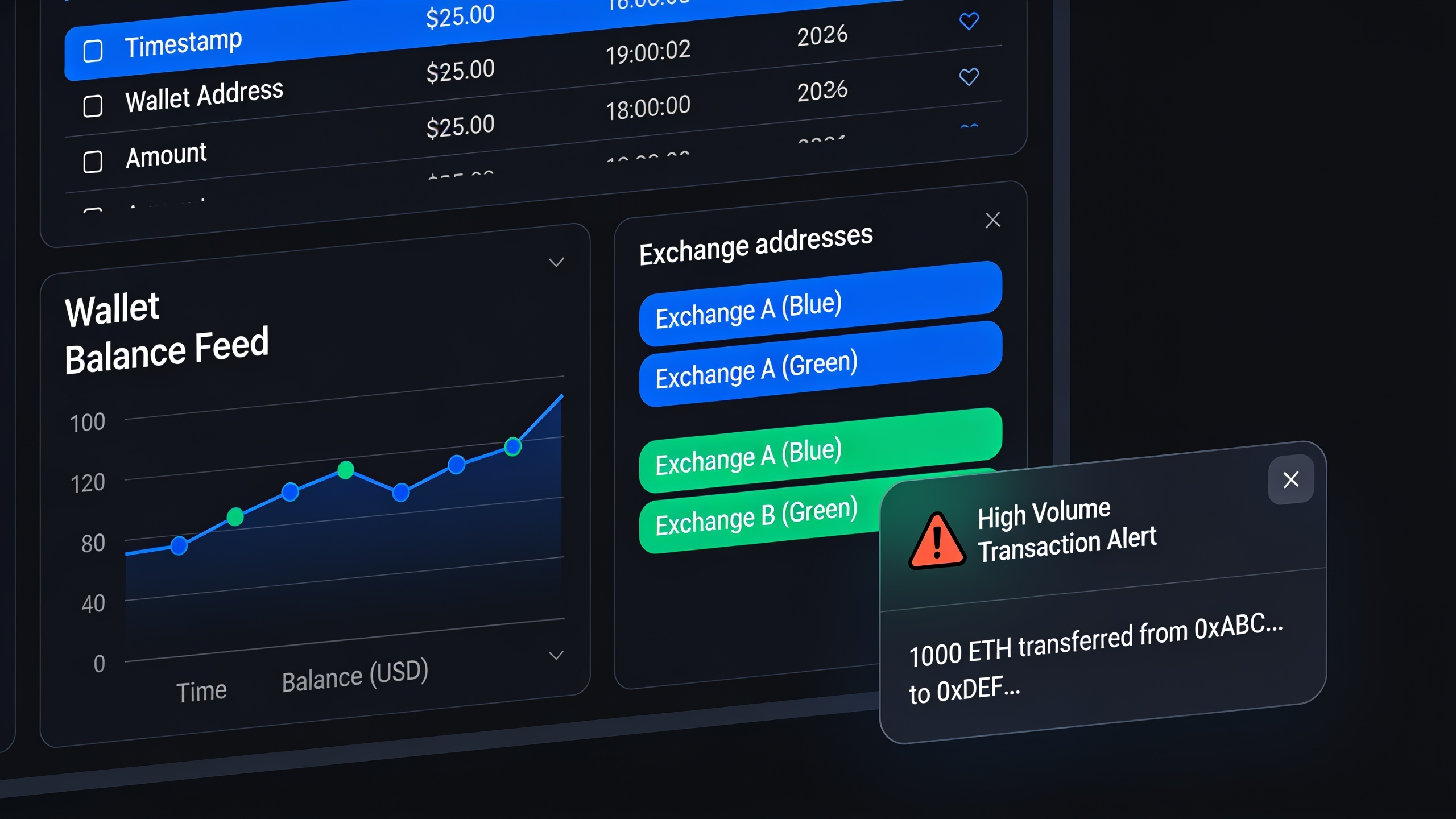
None of these replaces the others. A trader who only follows a whale alert feed and never cross-checks on an explorer is acting on half a picture, while someone glued to a raw explorer with no labeling context will keep mistaking boring exchange housekeeping for a bearish omen. You want at least two of these talking to each other.
How to Read Whale Signals Without Getting Faked Out
Reading whale signals correctly means treating a big transfer as context, not a trade trigger, because the exact same on-chain event can mean wildly different things depending on where the coins are headed and what that wallet's been up to. A transfer to a known exchange deposit address carries real weight. A transfer between two wallets that both seem to belong to the same entity carries almost none.
A few habits separate genuinely useful whale watching from just chasing noise. Check whether the destination is a labeled exchange wallet or just some random unlabeled address, because that single distinction tells you most of what you need to know, and analytics platforms that tag exchange addresses make it a hundred times easier than a raw explorer search. Look at the wallet's history instead of the one transaction in isolation, since a dormant wallet that hasn't twitched in years suddenly firing up is a completely different story than an address that shuffles funds every week as part of routine market-making. And weigh the transfer against the asset's normal daily volume, because a $10 million move is a huge deal for a mid-cap altcoin and basically a rounding error for Bitcoin, where daily volume routinely runs into the billions.
It's also just worth remembering that whales move funds for a ton of reasons that have nothing to do with an imminent trade. Consolidating holdings across wallets. Migrating to new cold storage hardware. Posting collateral for a loan. Treating every large transfer as a sell signal completely ignores how varied the real reasons are, which, again, is why history and context beat the raw dollar figure every single time.
That same "verify before you react" discipline is going to matter more and more in newer corners of the market where big holders are getting easier to spot, tokenized real-world assets being the obvious one. As I got into over in Real-World Asset Tokenization: Why Wall Street Is Watching, institutions moving tokenized bonds, real estate, and private credit on-chain are eventually going to create their own breed of whale wallets worth tracking. And the same habits, checking destination, checking history, checking context, will apply there just as much as they do to Bitcoin and Ethereum right now.
Risks and Limitations of Whale Watching
Whale watching has real limits, and the biggest by a mile is this: on-chain data shows movement, not intent. Even a perfectly labeled transaction can be read wrong. A transfer to an exchange doesn't guarantee a sale. That whale could just as easily be depositing to provide liquidity, jump into a specific trading pair, or move assets ahead of some corporate treasury adjustment you'll never hear about.
Exchange wallets pile on another layer of noise. Because exchanges control massive pooled balances belonging to thousands of customers, internal transfers between their own hot and cold wallets can look identical to a whale-driven event on a raw explorer, even though no independent large holder is anywhere near it. This is probably the single most common source of false signals in whale tracking, and it's exactly why labeled analytics tools that can tell exchange infrastructure apart from independent addresses beat staring at raw transaction feeds.
Then there's the timing problem, which nobody likes to talk about. By the time a whale transfer is public and buzzing on social media, the sophisticated traders and algorithms have usually already priced in the likely reaction. So the retail trader acting on a viral whale alert is often reacting after most of the move has already played out. Whale tracking is a genuinely useful input into a research process, but it works best next to other indicators like on-chain volume, order book depth, and macro conditions, not as a standalone trigger.
And finally, privacy-focused blockchains and increasingly clever wallet-splitting mean not all whale activity is even visible in the first place. Some big holders deliberately break transactions into a bunch of smaller wallets specifically to duck under alert thresholds. Which means the whale data you and I can see is, by definition, incomplete. Treating it as one signal among several rather than the full story of what large holders are doing is honestly the only safe way to use it.
Frequently Asked Questions
So what actually counts as a "whale transaction"?
There's no universal dollar or coin cutoff, it varies by asset, but a lot of whale alert services and analytics platforms flag transactions somewhere in the range of $1 million or more in value, or wallet balances big enough to represent a meaningful chunk of a coin's circulating supply. The exact line moves around between tools and between assets based on typical trading volume.
Can whale tracking actually predict price?
It can highlight potential supply and demand shifts, coins heading toward exchanges ahead of a possible sale, or coins leaving exchanges for cold storage, but it can't reliably predict price on its own. Full stop. It works best as one input alongside volume analysis, order book depth, and broader market conditions, never as a standalone crystal ball.
Are whale wallets always owned by one person?
Nope. A ton of the largest wallets by balance belong to exchanges holding customer funds in cold storage, institutional custodians managing client assets, or protocol treasuries, not some lone trader. Learning to separate pooled custodial wallets from genuine whale-owned addresses is one of the more important skills in reading on-chain data.
Is whale data available for every cryptocurrency?
It's available for anything built on a public, transparent blockchain, which covers most major cryptos including Bitcoin and Ethereum-based tokens. Privacy coins that obscure transaction details, plus assets where holders deliberately split funds across many addresses, are much harder or flat-out impossible to track with the same precision.
Do exchanges themselves count as whales?
They show up at the top of rich lists constantly, since they custody deposits from thousands of users in shared cold and hot wallets, but that balance is collective customer money, not one holder's trading position. Analysts generally kick known exchange wallets out of whale rankings meant to represent individual large holders.
Whale watching has gone from a niche corner of on-chain analysis to just... a normal part of how a lot of traders read the market, and the reason is dead simple. Transparent blockchains hand everyone access to data that used to be visible only to insiders. Used carefully, with verified wallet labeling, historical context, and a healthy dose of skepticism toward viral alert posts, crypto whale tracking genuinely adds something to your research. Used carelessly, it turns a boring exchange transfer into a pointless panic sell. The tools keep getting sharper, but the judgment for interpreting them still has to come from whoever's watching the screen. That part isn't automated yet.